









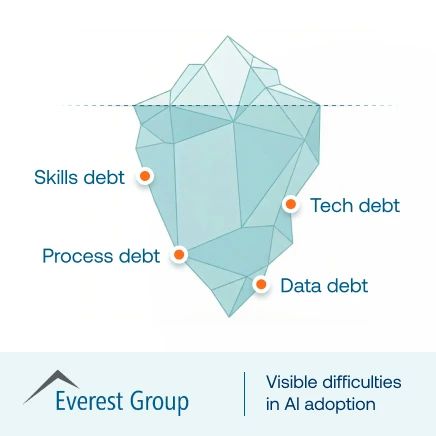



Technology adoption in healthcare is the process of integrating digital tools such as EHRs, telehealth, and AI into clinical, administrative, and patient-facing workflows to enhance outcomes, efficiency, and care delivery. In 2025, adoption is no longer optional; it is foundational. According to Teladoc Health’s 2025 Telehealth Benchmark Survey, 100% of healthcare organizations surveyed either offer or plan to offer virtual care by the end of the year. However, without strategic adoption, even advanced systems like telehealth, clinical analytics, or virtual care infrastructure risk underuse, workflow friction, and lost ROI.
In this article, we’ll define what technology adoption means in healthcare, explain why it’s critical today, and show how healthcare leaders can enable clinicians, staff, and patients to fully embrace digital tools for lasting impact.
What Is Digital Adoption in Healthcare?
Digital adoption in healthcare is the ability of clinicians, staff, and patients to effectively use new digital tools and workflows to achieve better health outcomes, operational efficiency, and regulatory compliance. For CIOs and transformation leaders, it means ensuring that every user, from a physician navigating an updated EHR module to a patient booking a telehealth appointment, can complete tasks accurately and confidently without external support.
Why It Matters in 2025
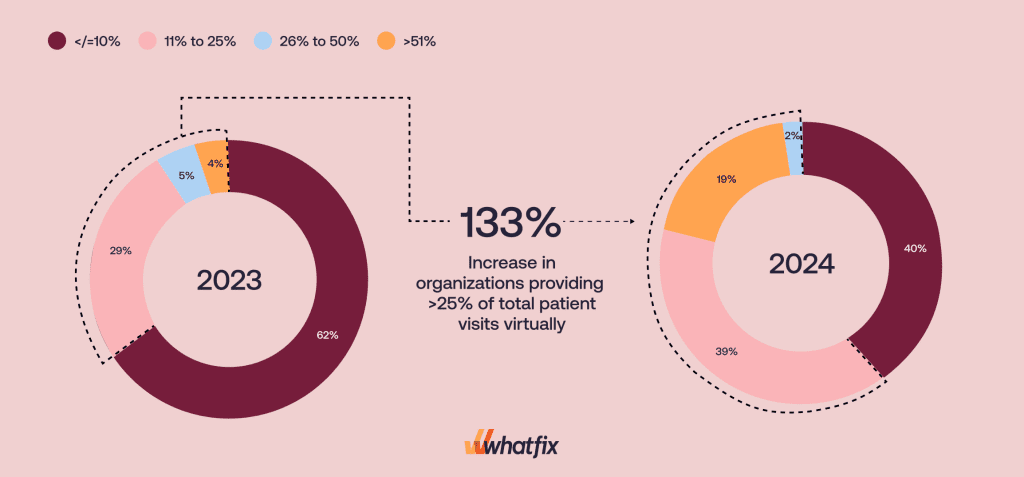
Healthcare is being reshaped by telehealth at scale, tighter interoperability needs, and rising expectations for digital patient engagement. Adoption isn’t optional anymore; it determines capacity, access, and efficiency. In 2024, the share of organizations where virtual care made up over 25% of total visits rose from 9% to 21%, that is, a 133% increase year over year. At the same time, 75% of leaders now consider bidirectional EHR integration very important, up from 55% the prior year, signaling a shift from pilots to integrated, enterprise workflows.
Healthcare-Specific Adoption Challenges
Technology adoption in healthcare comes with unique barriers that go beyond standard enterprise change management. For CIOs and transformation leaders, addressing these challenges is essential to maximizing ROI and improving care delivery:
- Clinician bandwidth and resistance to change: High patient loads and documentation burdens make it hard to learn new systems, especially when workflows add clicks or slow charting.
- Patient digital literacy and engagement: Even when tools exist, patients may struggle to navigate portals, telehealth, or remote monitoring without clear onboarding.
- Compliance and regulatory: HIPAA, privacy, and security requirements add validation and documentation steps that must be built into the UI, not bolted on.
- Legacy clinical systems and interoperability: Older EHRs and siloed tools make it difficult to create seamless end-to-end experiences. Reflecting this pain, 75% of leaders now rate bidirectional EHR–telehealth integration as very important, up from 55% the year prior, a shift from pilots to integrated workflows.
- Fragmented workflows across EHR, portals, and billing: Clinicians often toggle between multiple systems to complete one task, creating errors and abandonment without in-workflow guidance.
How Whatfix Enables Effective Technology Adoption in Healthcare
Technology adoption in healthcare isn’t just about implementing new systems, it’s about ensuring every clinician, staff member, and patient can confidently use them to deliver better care, improve efficiency, and maintain compliance. Success depends on a continuous cycle of onboarding, in-workflow support, change management, and optimization across the entire lifecycle of your healthcare tools, from EHRs to telehealth to patient portals.
Here are six key components of a successful healthcare technology adoption strategy and how Whatfix drives measurable outcomes in each area.
1. Pre-Go-Live Testing and Simulation
Rolling out new healthcare systems without validating workflows can cause adoption challenges, user frustration, and even compliance risks. Role-based testing before go-live ensures technology works seamlessly for every user group.
How Whatfix Helps:
With Whatfix Mirror, IT, clinical informatics, and operations teams can replicate environments like Epic, Cerner, MEDITECH, telehealth platforms, or patient billing systems in a secure sandbox. This allows for role-specific workflow validation, clinician feedback collection, and safe hands-on training, all without touching production data.

2. Role-Based Onboarding for Clinicians, Staff, and Patients
A physician, a billing coordinator, and a patient all interact with healthcare technology differently. Generic training slows adoption and increases support demand.
How Whatfix Helps:
Whatfix delivers contextual, in-app onboarding tailored by role, specialty, or location. For staff, Task Lists and walkthroughs guide them through real workflows like e-prescribing, telehealth setup, or claims submission. For patients, in-app prompts make portal navigation easy, from booking appointments to paying bills. This accelerates time-to-proficiency and reduces help desk reliance.
3. Embedded Support in the Flow of Care
Healthcare users can’t afford to pause and search for help during critical workflows. Without immediate guidance, they risk delays, errors, or non-compliance.
How Whatfix Helps:
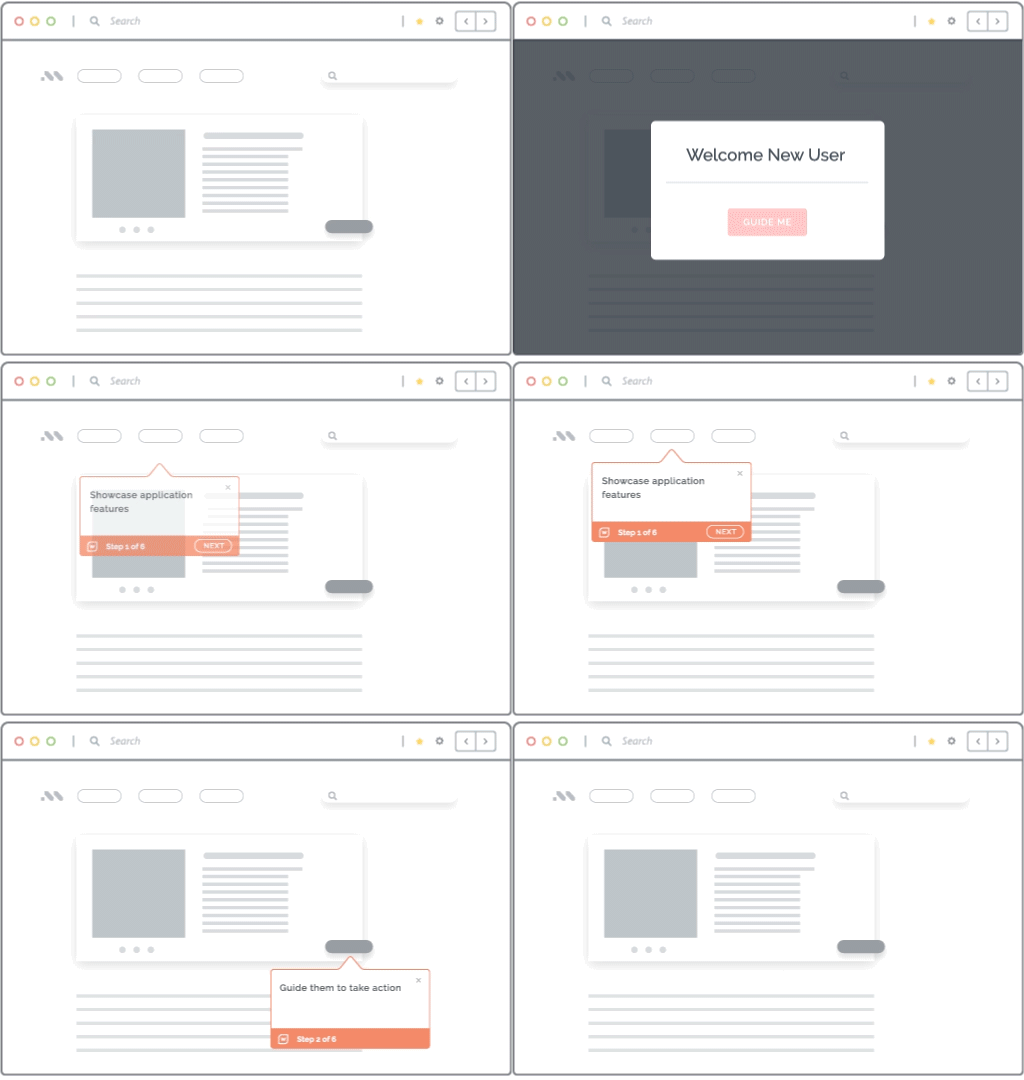
With Self Help widgets embedded directly in EHRs, patient portals, or billing systems, users get instant, contextual answers from quick policy references to step-by-step guides without leaving their workflow. This reduces ticket volumes and empowers self-sufficiency.

4. Communicating Policy & Workflow Changes in Real Time
From new clinical protocols to insurance coding updates, healthcare technology workflows change frequently. If these updates are buried in emails or LMS modules, they’re often missed.
How Whatfix Helps:
Pop-Ups, Beacons, and Smart Tips in Whatfix ensure change notifications reach users exactly when and where they need them. Whether it’s a new discharge process or an updated telehealth documentation requirement, users see and act on changes inside the live workflow.
5. Driving Adoption of Underutilized Features
Many healthcare tools offer advanced capabilities, like interoperability dashboards, care coordination modules, or predictive analytics, that go unused, stalling ROI.
How Whatfix Helps:
With proactive nudges, contextual prompts, and targeted walkthroughs, Whatfix guides users to discover and adopt high-value features. Analytics identify adoption gaps, allowing teams to deploy interventions that boost utilization and value realization.
6. Measuring and Optimizing Technology Adoption
Without visibility into how users engage with healthcare technology, leaders can’t pinpoint adoption barriers or prove ROI.
How Whatfix Helps:
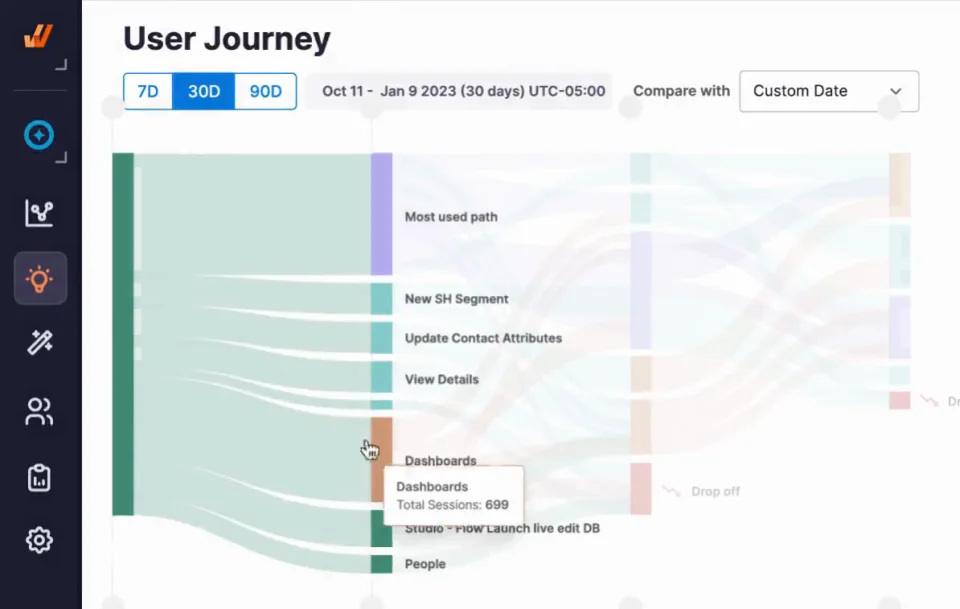
Whatfix Product Analytics tracks task completion rates, drop-off points, and feature usage in real time. IT and transformation teams can then optimize workflows, retrain specific groups, or adjust guidance to continuously improve user experience and system ROI.
Success Stories in Healthcare Technology Adoption
The impact of effective digital adoption in healthcare is best measured by real-world results. Here are three examples of organizations transforming patient care, provider enablement, and staff productivity with the right technology and the right adoption strategy.
1. Ouva transformed patient observation
Kaiser Permanente Roseville Medical Center uses the AI-powered Ouva patient observation system to deliver educational content, monitor engagement, and improve patient experience.
The Ouva Sensory Experience, an LED screen that creates a calming environment, also provides healthcare teams with real-time engagement metrics, enabling data-driven improvements in care delivery.
2. AbleTo scaled and accelerated patient and provider onboarding
AbleTo, a virtual mental healthcare provider, experienced rapid growth during COVID-19 and needed to onboard 2,500+ providers and support patients efficiently.
Before Whatfix, live training sessions were often derailed by system questions, with up to 80% of call time spent on product navigation instead of care quality.
With Whatfix’s in-app guidance, smart tips, and role-based onboarding:
- Patient engagement increased, follow-up message delivery rose by 50%.
- Provider onboarding scaled from 200 to 2,000 without additional training staff.
- Provider churn dropped through contextual product tours and checklists.
- 100% of clinical calls now focus on improving care quality.
- Support tickets reduced, with smart tips engaged over 500,000 times.
3. Grifols boosted staff productivity
Grifols, a global pharmaceutical leader, implemented Salesforce to streamline sales and marketing operations but faced low adoption, high ticket volumes, and long training times.
With Whatfix’s interactive in-app onboarding and adoption flows, Grifols:
- Saved 400+ hours in training and support resolution.
- Improved CRM adoption rates across its 24,000+ employees.
- Reduced time-to-proficiency for new hires and existing staff.
Frequently Asked Questions: Technology Adoption in Healthcare
What is the difference between technology adoption and digital transformation in healthcare?
Digital transformation is the broader strategy of modernizing healthcare operations, systems, and patient experiences. Technology adoption focuses specifically on ensuring clinicians, staff, and patients can effectively use the tools and workflows introduced by transformation initiatives. Without adoption, transformation investments risk low utilization and missed ROI.
What are the most common barriers to technology adoption in healthcare?
Key barriers include clinician resistance due to workflow disruption, limited patient digital literacy, fragmented interoperability between EHR and other systems, and compliance requirements like HIPAA. According to Teladoc Health’s 2025 Healthcare Benchmark Survey, 57% of healthcare leaders cite workflow integration challenges as a top barrier to scaling virtual care.
How do you measure the ROI of healthcare technology adoption?
Metrics include clinician time-to-proficiency, task completion rates, patient self-service adoption, ticket deflection, reduction in errors in regulated workflows, and usage of advanced system features. Whatfix Product Analytics enables healthcare organizations to track these KPIs in real time and link them directly to business outcomes like reduced cost-to-serve and improved patient satisfaction scores.
Can a DAP integrate with EHR and other clinical systems?
Yes. Modern DAPs integrate with platforms like Epic, Cerner, MEDITECH, patient portals, billing systems, and even ITSM tools. This allows for context-aware guidance, automated ticket creation, and unified analytics across the healthcare tech stack.
Does technology adoption help both clinicians and patients?
Absolutely. For clinicians, it means faster onboarding, reduced errors, and streamlined workflows. For patients, it enables easier access to virtual care, faster navigation of portals, and more consistent engagement with their providers.
How can healthcare organizations communicate policy or workflow changes effectively?
Instead of relying on email or LMS announcements, DAPs like Whatfix allow real-time, in-app notifications at the moment of need. This ensures clinicians and staff see, understand, and act on changes without breaking their workflow.
Digital Adoption Clicks Better With Whatfix
Digital adoption is the difference between healthcare technology that simply exists and technology that delivers measurable value. Without it, even the most advanced EHR systems, telehealth platforms, or patient engagement tools fall short leading to low utilization, inconsistent workflows, and missed ROI.
Whatfix closes this gap with role-based onboarding, embedded in-workflow guidance, instant self-help, and analytics that track and prove adoption at every stage. From go-live to long-term optimization, Whatfix ensures every clinician, staff member, and patient can navigate technology with confidence and precision.
Discover how Whatfix empowers healthcare organizations to achieve faster adoption and stronger outcomes. Request a demo today.