










Modern contract lifecycle management (CLM) software standardizes contract processes, automates approvals, improves visibility into obligations and risk, connects contract data across ERP, CRM, procurement, and legal systems, and creates the foundation for AI-assisted contract operations. CLM modernization provides enterprises with an opportunity to transform how contracts move from request and authoring through negotiation, approval, execution, and renewal.
However, that value isn’t guaranteed. It depends on whether end-user employees can consistently execute the right workflows, adopt new behaviors, and turn redesigned contract processes into measurable operational improvements in cycle time, compliance, productivity, and business performance.
For CIOs, CLM application owners, legal operations teams, and process owners, modernization extends across technology, workflow governance, user readiness, and continuous system optimization.
This guide defines CLM modernization, explains why it has become a priority for enterprise transformation teams and the outcomes it can drive, examines the common traps that prevent modernized contract operations from realizing value, and provides a practical roadmap for improving CLM readiness, adoption, and performance over time.
What Is CLM Modernization?
CLM modernization is the process of improving the technology, workflows, data, integrations, governance, and user enablement that support end-to-end contract operations. It typically involves modernizing or replacing legacy contract management software, standardizing contract lifecycle processes, connecting contracting tools with related enterprise systems such as ERP, CRM, and procurement platforms, and improving how users execute contract workflows.
How CLM Modernization Drives Business Outcomes
Enterprises modernize CLM to improve how contracts are created, executed, and managed, across increasingly complex workflows and business environments. Effective CLM modernization helps organizations achieve several core outcomes, including:
- Consolidate fragmented contract operations: Connect disconnected systems, regional processes, templates, and contract data within a coordinated CLM environment.
- Accelerate contract workflows: Standardized templates, automated routing, risk-based approvals, and defined handoffs reduce delays and rework across the contract lifecycle.
- Improve contract data and AI readiness: Centralized contracts and structured metadata improve visibility into obligations, renewals, commercial terms, and risk while creating a stronger foundation for AI.
- Strengthen governance and compliance: Approved clauses, access controls, audit trails, and approval rules help enforce contract workflow policies consistently across teams and regions.
- Increase CLM adoption and value realization: Help users execute new workflows correctly, adopt new capabilities, and translate CLM investments into faster cycle times, higher productivity, and stronger business outcomes.
Why CLM Modernization Programs Fail to Realize Value
A successful enterprise software rollout is a technical milestone for go-live. However, CLM value realization depends on whether users can execute redesigned contract workflows correctly, move work across connected systems, and adopt new processes and capabilities in their day-to-day work.
Here are common barriers to CLM adoption and value realization:
Legacy Processes Carry Into the New CLM
Organizations often configure a new CLM platform around existing approval chains, local variations, and manual controls. The new system then inherits the same bottlenecks, unnecessary steps, and process complexity that modernization was meant to address.
Cross-Application Workflows Remain Fragmented
Contract workflows often span CRM, procurement, CLM, e-signature, and ERP applications. Poorly designed handoffs force users to re-enter data, chase approvals, switch between systems, and create manual workarounds.
Training Lacks Real Contract Scenarios
Generic software onboarding and new system training rarely prepares users for their niche contract types, approval paths, regional requirements, and exceptions. Employees can complete training while still struggling to perform critical workflows independently at go-live due to the nature of highly-custom and contextual responsibilities, tasks, clauses, and workflow steps.
Users Lack Support Inside CLM Workflows
Static process documentation, recordings, and knowledge base articles require users to leave the task they are completing to find help. Without contextual guidance in the flow of work, users are more likely to depend on support teams or SMEs, miss required steps, or create errors that lead to rework.
Adoption Metrics Miss Workflow Execution
Logins and license utilization provide a limited view of CLM adoption. Application owners also need deeper visibility into workflow abandonment, user errors, process friction, support dependency trends, and feature usage to identify where adoption breaks down and connect behavior with CLM workflow cycle time, contract compliance, and overall user productivity.
CLM Modernization Roadmap
Successful CLM modernization connects process redesign and technology changes with user readiness, operational continuity, and measurable value. The following seven steps provide enterprise IT teams and application owners with a roadmap, from pre-go-live readiness to post-launch optimization.
1. Map the Current Contract Management Environment
Map the contract lifecycle from initial request through approval, signature, obligation management, renewal, and termination. Use process mapping to identify manual handoffs, approval delays, regional variations, disconnected repositories, integration gaps, recurring errors, and work completed outside the CLM application. This creates a shared view of what modernization must address.
Establish baselines for contract cycle time, workflow errors, data completeness, support demand, and first-time-right completion so improvements can be measured after rollout.
2. Align Stakeholders and Establish Governance
Bring together the CLM owner, IT, legal, sales, finance, procurement, security, change teams, and affected process owners. Define responsibility for workflows, data quality, templates, clauses, approvals, exceptions, integrations, and post-signature obligations. Clear decision rights prevent local requirements and competing priorities from introducing unnecessary complexity into the CLM environment
3. Prepare the CLM Application, Data, and Integrations
Clean and classify legacy contracts before migration. Standardize metadata, templates, clause libraries, approval rules, and access controls before configuring the CLM application. Test complete workflows across CRM, ERP, procurement, e-signature, and financial systems using realistic data, permissions, regional requirements, exception paths, and integration failures before approving go-live readiness.
4. Conduct User Testing and Implement Findings
Test complete workflows across CRM, ERP, procurement, e-signature, and financial systems using realistic data, permissions, regional requirements, exception paths, and integration failures before approving go-live readiness.
Teams should create a CLM sandbox and build exercises for different user types to test them in a risk-free environment. Application simulation tools like Whatfix Mirror provide a no-code solution to quickly create simulation workflow scenarios that replicate your real system, with built-in guidance and feedback mechanisms to guide users through tasks and collect qualitative data on bugs and friction.
5. Prepare Users With Contextual Training
Generic feature demonstrations do not prepare users for real contract work. Build role-based training around the contract types, data requirements, approval rules, and exceptions each group handles.
Include hands-on practice and proficiency checks to help modernization teams identify user readiness gaps before entering the production environment. Whatfix Mirror allows IT enablement teams to create simulation training scenarios of core workflows, overlay AI roleplay, auto-assess readiness, and scale across roles and regions for large teams.
6. Provide In-App Support After Go-Live
Users will encounter unfamiliar contract types, policy changes, and exception paths after launch and training, errors will accumulate over time, and general training knowledge will erode as time passes.
With a digital adoption platform like Whatfix DAP, organizations can enable teams in the flow of work with in-app guidance (like guided Flows, Smart Tips, and Field Validations) to govern workflow paths, ensure data quality is high, and nudge users in certain directions.
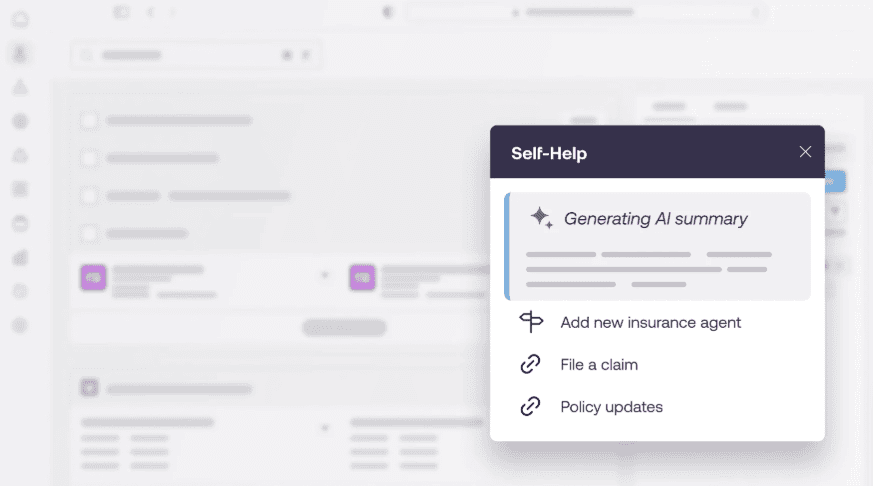
With Self Help, digital SOPs, process docs, training videos, and other internal knowledge repositories are integrated with an AI assistance that overlays your CLM workspace. Users can ask questions, and Self Help can direct them to additional help, summarize documents, and provide direct answers.
This provides users with support during live workflows, reinforces required controls, communicates changes, and reduces reliance on support teams, colleagues, and offline workarounds.
7. Measure Adoption and Continuously Improve
Track whether users complete critical workflows correctly and whether modernization improves business performance. Monitor contract cycle time, approval delays, workflow completion, errors, data quality, clause compliance, support demand, and user proficiency.
Application owners must track user behavior, workflow analytics, support trends, and qualitative feedback to determine where friction is happening, what interventions to launch, and to measure if outcomes are improving.
How Whatfix Accelerates CLM Modernization and Value Realization
CLM modernization creates the technology, process, and data foundation for better contract operations. Whatfix helps enterprises realize value from that foundation by preparing users before go-live, guiding them through live workflows, providing self-service support, communicating change, and measuring adoption.
Prepare Users Before the CLM Application Goes Live
Whatfix Mirror creates interactive replicas of CLM application environments where users can practice critical workflows without affecting production contracts or data. Role-based simulation training prepares users for contract intake, template selection, clause review, approvals, obligation management, and renewals. Assessments help modernization teams identify proficiency gaps before cutover and target additional training.

Guide Users Through Governed CLM Workflows
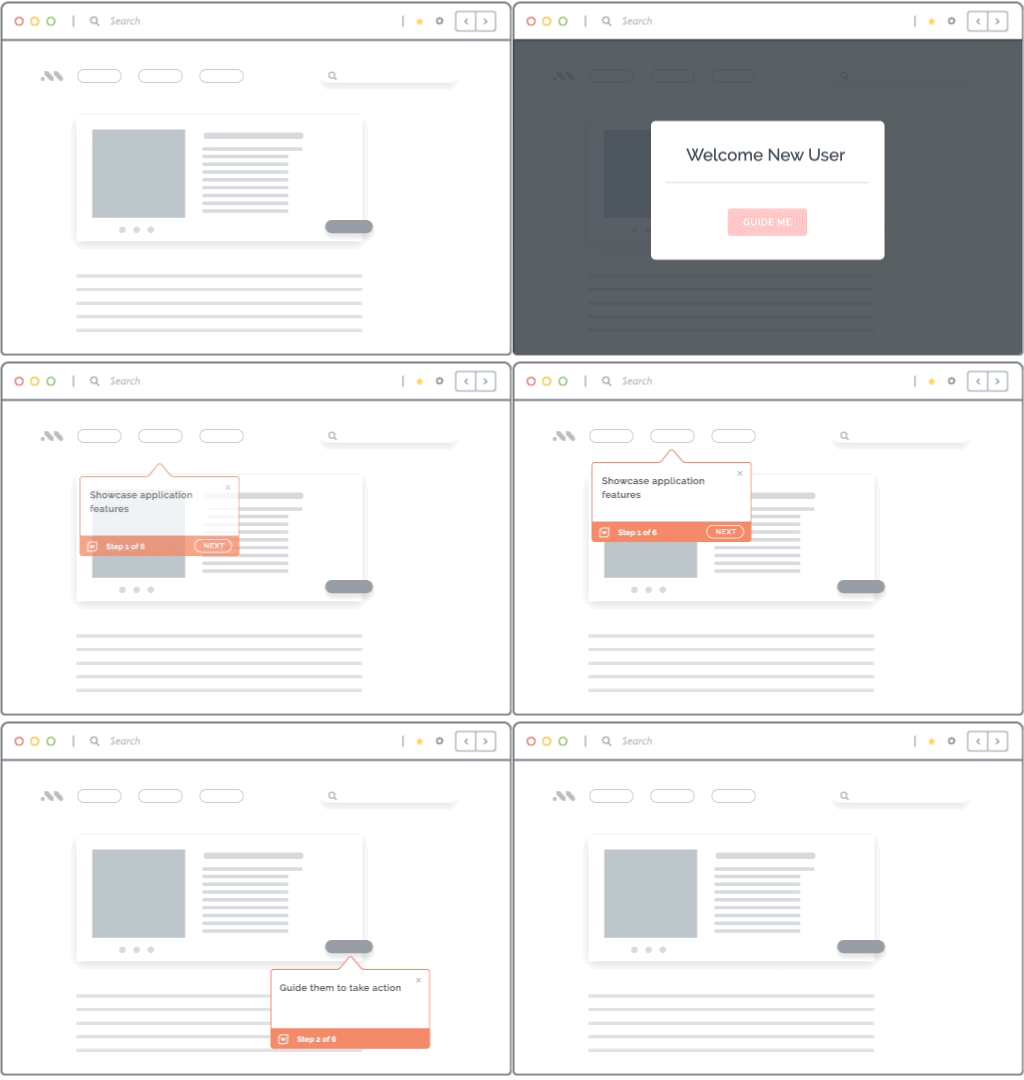
Whatfix DAP embeds contextual Flows, Smart Tips, Task Lists, and field-level guidance within CLM applications. These experiences help users enter complete contract data, select approved clauses, follow the correct approval path, and complete post-signature activities accurately. Guidance can be tailored by role, contract type, region, or user behavior to reinforce standards while accommodating necessary local variations.
Support Workflows Across Enterprise Applications
Contract workflows may span CRM, procurement, CLM, and ERP applications. Whatfix can deliver contextual guidance within the applications used at different stages of the process, helping users navigate required steps and handoffs. This is particularly useful when CLM software is embedded within another enterprise application or when employees must move between systems to complete contract work.
Provide Self-Service Support in the Flow of Work
Whatfix Self Help makes SOPs, clause policies, process documentation, FAQs, and escalation guidance accessible within the CLM application. Users can find answers while completing a contract task instead of searching external knowledge bases or contacting support. This helps employees manage exception paths while reducing recurring how-to questions.
Communicate Application and Policy Changes at Scale
Whatfix enables application owners and change teams to communicate updates through targeted Pop-Ups, Beacons, and in-app notifications. Messages can be tailored by role, region, or workflow so users receive relevant information inside the application.
Identify Friction and Continuously Improve Adoption
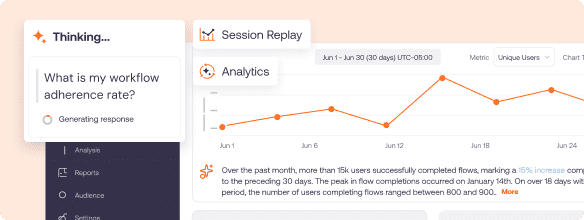
Whatfix Product Analytics tracks workflow completion, drop-off points, feature usage, help engagement, and friction across user groups. In-app feedback adds context about why users struggle. CLM application and process owners can use these insights to determine whether an issue requires a change to the software configuration, process, integration, training, or guidance, then measure the impact of each intervention.
How Enterprises Have Accelerated CLM Modernization With Whatfix
The following customer stories demonstrate how contextual training, workflow guidance, self-service support, and behavioral insights translate CLM modernization into measurable operational outcomes.
Compass Group Reduced CLM Training Content Creation Time by 70%
Compass Group needed to support 1,500 Icertis users across multiple divisions while guiding a contract workflow spanning Icertis and Microsoft Dynamics 365. Static training materials could not provide timely support for complex contract processes or frequent application changes. By embedding Whatfix guidance, self-service support, and change announcements across both applications, Compass Group reduced training content creation time by 70%, improved onboarding, supported contract compliance, and accelerated contract turnaround.
The takeaway from Compass Group’s CLM modernization:
Contract enablement must follow users across connected applications. Embedded guidance and in-app communication can reduce training maintenance while helping employees complete contract workflows without stopping to search for instructions or request support.
The Adecco Group Increased CLM Adoption by 40% and Cut Contract Cycle Times by 50%
The Adecco Group consolidated fragmented regional contracting processes into an Icertis CLM environment embedded within Salesforce. The global rollout needed to accommodate different roles, contract categories, languages, and regulatory requirements across more than 60 countries. With localized, role-based Whatfix guidance, Adecco increased CLM adoption by 40%, reduced average contract cycle time by 50%, achieved 98% compliance with mandatory clauses, and reduced support queries per 100 users by approximately 40% in the first 90 days.
The takeaway from Adecco Group’s CLM modernization:
Global CLM standardization must account for how different roles and regions execute contract processes. Contextual guidance can reinforce centralized governance while adapting enablement to local workflows and regulatory requirements.
bioMérieux Achieved 88% CLM Adoption and Saved 1,293 Hours
bioMérieux implemented Icertis to improve the creation, review, approval, storage, and management of more than 12,000 contracts. However, complex processes, recurring live training, and high support demand limited adoption. The company introduced an in-app Whatfix support center called “myHelp,” combining role-based Flows, Smart Tips, Pop-Ups, Self Help, and behavioral analytics. bioMérieux achieved 88% adoption, increased NPS by 9%, resolved more than 347 user queries, and saved 1,293 hours through in-app guidance and embedded performance support.
The takeaway from bioMérieux’s CLM modernization:
CLM adoption improves when onboarding, training, and support become part of the workflow rather than separate events. Role-based guidance and self-service support help users become proficient while reducing the recurring burden on legal, purchasing, and support teams.
Vizient Reduced Contract Workflow Errors by 93% and Accelerated Cycle Times 2.3x
Vizient’s Icertis users were mistakenly uploading supporting documents into a field intended for primary contracts, overwriting contract versions and creating compliance risk, delays, and extensive rework. Vizient used Whatfix to redesign the user experience with field-level guidance, Smart Tips, Pop-Ups, automated Flows, and contract documentation embedded from SharePoint. The organization reduced workflow errors by 93%, shortened average contract execution from 33.5 to 14 days, and saved 618 hours by reducing rework and recurring support questions.
The takeaway from Vizient’s CLM modernization:
Digital adoption can do more than explain how to use a CLM platform. Targeted guidance and interface interventions can prevent high-risk user errors, reinforce contract controls, and directly improve cycle time, compliance, and operational efficiency.
Ready to turn contract management modernization into consistent adoption and measurable value? Request a Whatfix demo to see how contextual guidance, self-service support, and workflow analytics can improve execution across your CLM application and connected systems.