








The Evolution of Skill-Based Development: Insights from Phillip’s Learning Director
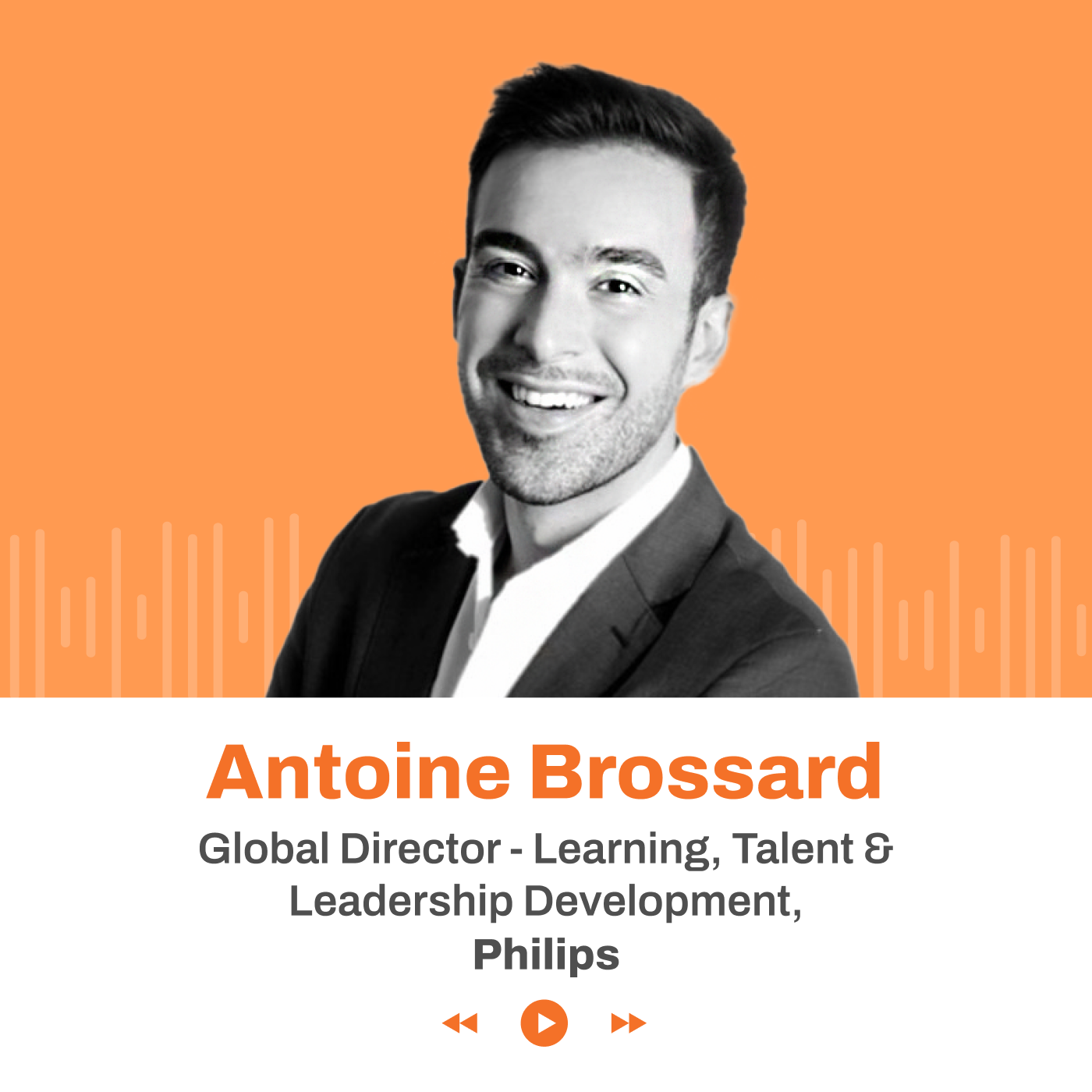
In a rapidly evolving workplace landscape, organizations are increasingly recognizing the need to shift from traditional role-based approaches to skill-based development. The Digital Adoption Show recently hosted Antoine Brossard, Learning, Talent Management and Leadership Development Director at Phillips, who shared valuable insights into this transformation.
The Changing Face of Talent Development
With experience spanning seven countries, Brad brings a unique global perspective to talent management. He emphasizes the fundamental shift in how organizations should approach skill development:
“The younger and most talented population that we hire at the moment… want to be provided with the reassurance that they will be able to develop specific skills within a specific amount of time… they are not coming to us to be provided with a promise of a 20 years career.”
This observation underscores a critical shift in employee expectations and organizational needs. Recent data shows that in sectors like IT, finance, and sales, new skills are emerging at a rate of 7% year-on-year since 2018, with nearly one-third of existing skills becoming obsolete.
Implementation Challenges and Solutions
Organizations face significant hurdles in coordinating skill information within their people strategies. Data fragmentation across teams remains a major challenge, requiring a more integrated approach. Brad advocates for four key principles in successful implementation:
- Focus on skills, not roles, in all conversations and decision-making processes
- Embed skills in all processes including learning, development, and performance management
- Ensure shared accountability across the organization
- Begin gathering dynamic skills information immediately rather than waiting for perfect definitions
Drawing from his diverse experience, Brad emphasizes the importance of understanding work at all levels:
“I think all of us regardless of what our occupation are should have experience with hard work, highly operational manual work because it is the core of our industry.”

The Role of AI and Digital Transformation
As organizations navigate this transformation, the role of AI has become a topic of significant discussion. Brad offers a reassuring perspective:
“AI doesn’t have a conscience or values or corporate ethics. We will still need to inform how we use that AI, which is why I’m not scared at all.”
Rather than viewing AI as a threat, it’s increasingly seen as a supporting tool in skill-based development. Digital adoption is already being integrated through HR systems, with future developments aimed at creating holistic data pictures that connect skill proficiency with enterprise performance.
Looking Ahead
The transformation to skill-based development, while challenging, is essential for future-proofing both organizations and employees’ careers. As digital tools and AI continue to evolve, they will serve as enablers in this journey, helping organizations better match skills with needs while providing employees with clearer development pathways. The key lies in embracing this change while maintaining the human element in talent development and management.
 Spotify
 Apple
Apple
 Youtube
 Google
 RSS
RSS