








OGL can be a practical starting point when your adoption scope is within Oracle’s ecosystem and your goal is to deploy a limited set of in-app assets quickly.
Enterprise teams feel the strain once adoption becomes an operating model across multiple business systems: governance and content lifecycle discipline, cross-application journeys, simulation-based readiness, and analytics that tie adoption to workflow outcomes and transformation KPIs.
ISVs (like Oracle) with native in-app adoption tools tend to prioritize the suite vendor’s ecosystem first, creating trade-offs for enterprises running mixed stacks.
Whether you are shortlisting digital adoption platform (DAP) vendors for a formal RFP or outgrowing OGL’s Oracle-centered operating model, this guide compares five alternatives for enterprise in-app guidance, simulation training, and adoption analytics.
We evaluated Oracle Guided Learning alternatives with the following criteria:
- Multi-application coverage across enterprise systems and vendors.
- Content lifecycle management and rollout safety (draft, QA, publish, rollback).
- Workflow guidance depth for complex, branching processes.
- Simulation training for readiness before go-live.
- Analytics tied to workflow performance and measurable outcomes.
- AI capabilities that reduce maintenance overhead and scale adoption programs.
TL;DR: Which Oracle Guided Learning alternative should you choose?
- Whatfix – for enterprise teams seeking a DAP for Oracle plus non-Oracle systems, with strong AI-powered content lifecycle management capabilities, simulations, and outcome analytics.
- WalkMe – for organizations looking for an SAP-centric adoption platform.
- Userlane – for teams looking for a multi-app adoption coverage on web-based tools only.
- Apty – for mid-market companies with process adherence and operational workflow standardizations needs within business applications.
- Pendo – for product-led growth programs centered on customer-facing applications.
1. Whatfix
Details:
- Founded: 2014
- Similar to: WalkMe, Pendo
- Typical roles: Enterprise application owners, CIO org, transformation PMO, L&D enablement leaders, service desk leaders
- Typical customers: Large enterprises with many apps, frequent change windows, controlled workflows, global rollouts
What Is Whatfix?
Whatfix is an enterprise digital adoption platform built to accelerate digital transformation outcomes across mission-critical applications. It improves productivity and reduces support burden with contextual in-app guidance, in-app self-service support, and adoption analytics tied to workflow performance. Whatfix adds Mirror simulation training for hands-on practice before go-live, plus agentic AI capabilities that automate content operations, surface optimization opportunities, and scale guidance across frequent releases.
Key Features
- In-app guidance: Guided Flows, Smart Tips, Pop-Ups, and Task Lists for workflow execution and onboarding
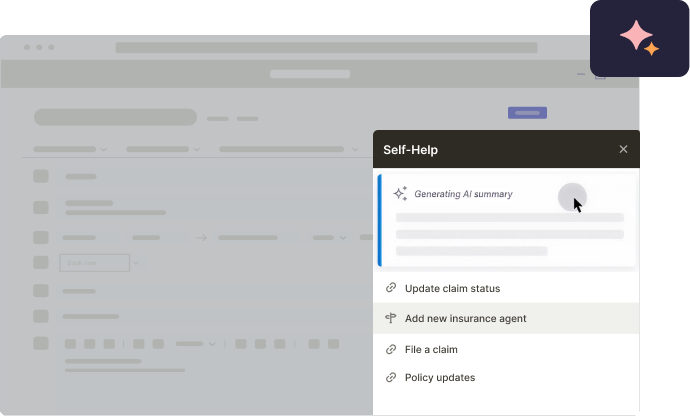
- Self Help: Embedded self-service support for in-the-moment answers and ticket deflection
- Mirror simulations: Practice environments to build proficiency without production risk
- Analytics: Adoption and workflow insights to pinpoint friction and measure outcomes
- Agentic AI agents: AI-driven authoring, insights, and contextual assistance to reduce manual upkeep
- Content lifecycle management: Governance controls for safer releases, QA, and scale across many teams and apps
How does Whatfix compare to Oracle Guided Learning?
| Evaluation area | Whatfix | Oracle Guided Learning |
| Best-fit scope | Enterprise-wide adoption across many apps | Organizations that require an Oracle-only adoption tool with simple in-app content goals. |
| App coverage | Cross-application for enterprise stacks, including web and desktop | Strongest in Oracle web apps, broader web coverage depends on packaging and deployment model |
| Simulation readiness | Native simulations via Mirror | Simulation typically handled outside OGL |
| Content operations | Structured lifecycle and governance for scaled rollouts | Suited to faster deployments, governance depth varies by program needs |
| Workflow depth | Built for branching, complex, multi-app workflows | Strong for in-app guidance patterns inside Oracle workflows |
| Analytics | Workflow outcomes and adoption insights across apps | Content usage and engagement analytics, depth varies by deployment |
| AI | Agentic AI for content operations, insights, and guided assistance | AI Assist supports content creation, Oracle AI Agents are separate and operate inside Oracle apps |
Main differences between Whatfix and Oracle Guided Learning: Whatfix is designed for multi-application enterprise adoption programs where governance, simulation readiness, and measurable workflow outcomes drive platform selection. OGL is designed to accelerate adoption inside Oracle ecosystems, with broader web coverage positioned through premium offerings.
Main similarities between Whatfix and Oracle Guided Learning: Both deliver in-app guidance and adoption measurement, and both are used to reduce training time and support burden during application change.
Why do companies use Whatfix?
- Scale adoption across ERP, CRM, HCM, ITSM, and custom apps with one governed operating model
- Reduce ticket spikes by moving workflow help into the flow of work
- Improve compliance and task quality through guided execution and contextual support
- Validate readiness before go-live with Mirror simulations
- Reduce content maintenance burden with AI-supported authoring and lifecycle management
What do real customers say about Whatfix?
- “Whatfix has eliminated the need for me to write end user job aids and email communication, using Whatfix for all the end user communication and system awareness,” said Audra H. from Johnson & Johnson in their G2 review.
- “Our new user onboarding experience has also been repurposed since we formed our partnership with Whatfix, meaning we can now spend more time ensuring new employees understand and embrace our company values. Whatfix takes care of the day-to-day scenario based training and essentially does all of the heavy lifting that was previously part of our bloated LMS course,” said Lee G. from Experian in their G2 review.
- “The benefits of using Whatfix are a reduction in support tickets thanks to AI-powered resource aggregation, quicker user adoption of new processes, and more effective change management through contextual tips and pop-ups. Additionally, its robust analytics empower organizations to make data-driven decisions regarding user adaptability,” said Reon H from CES in their G2 review.
TL;DR for Whatfix
- Best for: Enterprises running multi-app adoption programs that require governance, simulations, and outcome measurement.
- Watch-outs: Teams looking for an Oracle-only enablement add-on with a narrow scope of in-app use cases may prefer staying inside Oracle packaging.
- When Whatfix is the better fit: Mixed application stacks and frequent change where adoption requires an enterprise operating model and end-to-end solutions including pre-production readiness, in-workflow guidance and support, and adoption analytics.
2. WalkMe
Details:
- Founded: 2011
- Similar to: Whatfix
- Typical roles: CIO org, enterprise app owners, transformation leaders, digital workplace teams
- Typical customers: Large enterprises standardizing adoption programs across multiple systems
What Is WalkMe?
WalkMe is a digital adoption platform used by enterprises to drive user onboarding, workflow guidance, and adoption analytics across business applications. It is often deployed as a cross-application layer for guided experiences, process support, and measurement.
Key Features
- In-app guidance: Walkthroughs and contextual tips to drive completion of common workflows
- In-app communication: Targeted messaging for rollouts and change initiatives
- Adoption analytics: Insights that help prioritize friction points and support needs
- Enterprise program support: Common fit for centralized adoption programs across large organizations
How does WalkMe compare to Oracle Guided Learning?
| Evaluation area | WalkMe | Oracle Guided Learning |
| Best-fit scope | Enterprise-wide adoption across many apps | Oracle-first adoption, strongest in Oracle environments |
| App coverage | Cross-application | Oracle-focused, broader web coverage depends on packaging |
| Packaging model | Standalone DAP | Bundled/included options for Fusion with limits, premium tiers for broader use |
| Operating model | Enterprise adoption program layer | Strong fit when Oracle adoption is the center of the program |
| Simulation readiness | Typically external | Typically external |
Main differences between WalkMe and Oracle Guided Learning: WalkMe is commonly evaluated when the adoption program spans many enterprise applications, with a focus on SAP-ecoystem apps. OGL is commonly evaluated when Oracle applications are the center of the rollout and Oracle packaging simplifies procurement.
Main similarities between WalkMe and Oracle Guided Learning: Both provide in-app guidance patterns and analytics to improve adoption and reduce support burden.
Why do companies use WalkMe?
- Standardize onboarding and workflow execution across major enterprise tools
- Centralize adoption insights to prioritize friction reduction
- Support change initiatives with in-app guidance and communications
TL;DR for WalkMe
- Best for: Enterprises building a cross-application adoption program layer, specifically for those organizations that invest in SAP applications.
- Watch-outs: Oracle-centric programs may prefer Oracle-native packaging for fast starts.
- When Whatfix is the better fit: Programs that are seeking a vendor-agnostic solution that also require simulation training pre-live production, stronger content lifecycle controls, and outcome measurement across many apps to unify enterprise digital adoption programs.
3. Userlane
Details:
- Founded: 2015
- Similar to: Whatfix, WalkMe
- Typical roles: CIO org, transformation leaders, enterprise app owners, enablement teams
- Typical customers: Enterprises driving adoption across multiple web-based applications
What Is Userlane?
Userlane is a no-code digital adoption platform that helps organizations guide users through workflows inside business applications and measure adoption. It is often used by enterprise IT and transformation teams to reduce friction, accelerate proficiency, and track value realization.
Key Features
- In-app guidance: Step-by-step guidance and tooltips for workflow support
- Adoption measurement: Analytics to measure usage and guide performance
- Cross-application adoption: Designed to support adoption across multiple web apps
- Enterprise rollout support: Fit for teams scaling enablement across business systems
How does Userlane compare to Oracle Guided Learning?
| Evaluation area | Userlane | Oracle Guided Learning |
| Best-fit scope | Multi-app enterprise adoption | Oracle-first adoption |
| App coverage | Web app coverage across enterprise stacks | Strongest in Oracle, broader web depends on packaging |
| Ownership model | Enterprise transformation and IT enablement | Oracle programs and Oracle ecosystem teams |
| Long-term operating model | Built for cross-app programs | Strong fit for Oracle-focused programs |
Main differences between Userlane and Oracle Guided Learning: Userlane is typically selected when adoption spans multiple web-based business applications. OGL is typically selected when Oracle applications are the main adoption surface and Oracle packaging is a strong advantage.
Main similarities between Userlane and Oracle Guided Learning: Both support in-app guidance and analytics for adoption programs.
Why do companies use Userlane?
- Drive adoption across multiple web-based business tools
- Reduce training reliance with contextual guidance in the flow of work
- Track adoption progress and prioritize where users struggle
TL;DR for Userlane
- Best for: Enterprises enabling adoption across many web applications.
- Watch-outs: Simulation readiness and deeper governance requirements should be validated early.
- When Whatfix is the better fit: Multi-app programs that need simulations, content lifecycle controls, and deeper workflow outcome measurement.
4. Apty
Details:
- Founded: 2017
- Similar to: Whatfix, WalkMe
- Typical roles: Operations leaders, IT application owners, process governance teams, shared services
- Typical customers: Organizations focused on process adherence and consistent workflow execution inside web-based applications
What Is Apty?
Apty is a digital adoption platform positioned around improving software adoption and process compliance through in-app guidance and insights. It is often associated with teams that want to reduce errors, standardize workflows, and improve operational consistency.
Key Features
- In-app guidance: Workflow walkthroughs and contextual prompts
- Process adherence support: Guidance patterns oriented around correct execution
- Adoption insights: Visibility into usage and friction patterns
- Operational enablement: Often positioned for standardization and compliance
How does Apty compare to Oracle Guided Learning?
| Evaluation area | Apty | Oracle Guided Learning |
| Best-fit scope | Process adherence across business apps | Oracle-first adoption |
| App coverage | Web-based app coverage | Oracle web apps, broader web depends on packaging |
| Program ownership | Ops and IT leaders focused on standardization | Oracle ecosystem teams and Oracle change programs |
| Strength | Process consistency and operational enablement | Oracle-aligned guidance and packaging advantages |
Main differences between Apty and Oracle Guided Learning: Apty is generally evaluated as a guidance layer across business applications with a focus on process adherence. OGL is generally evaluated when Oracle applications and Oracle packaging are central to the rollout.
Main similarities between Apty and Oracle Guided Learning: Both deliver in-app guidance to reduce friction and improve workflow execution.
Why do companies use Apty?
- Improve process consistency and reduce errors in high-volume workflows
- Reduce support effort by guiding users through tasks
- Drive adoption and compliance in operational systems
TL;DR for Apty
- Best for: Teams prioritizing process adherence and operational enablement inside business applications.
- Watch-outs: Validate cross-app governance and analytics depth for enterprise-wide programs.
- When Whatfix is the better fit: Enterprise adoption programs that require simulations, richer workflow support, and governed content operations at scale.
5. Pendo
Details:
- Founded: 2013
- Similar to: Whatfix, Amplitude
- Typical roles: Product teams, digital product leaders, growth teams, product ops
- Typical customers: Product-led organizations focused on customer-facing adoption and feature usage
What Is Pendo?
Pendo is a product experience platform used to understand user behavior, collect feedback, and deliver in-app guidance, typically owned by product and digital teams. It is often selected when the adoption objective centers on product-led growth and feature adoption inside customer-facing applications.
Key Features
- Product analytics: Behavioral measurement and feature usage tracking
- In-app guides: Onboarding patterns and guidance experiences
- Feedback collection: Surveys and sentiment signals to inform product decisions
- Product experience workflows: Tooling oriented around product iteration cycles
How does Pendo compare to Oracle Guided Learning?
| Evaluation area | Pendo | Oracle Guided Learning |
| Best-fit scope | Product-led adoption inside digital products | Oracle-first adoption inside enterprise apps |
| Ownership model | Product and growth teams | Oracle ecosystem and enterprise transformation teams |
| Analytics focus | Product usage and feature adoption | Guidance usage and adoption support inside Oracle workflows |
| Cross-app enterprise enablement | Secondary use case | Oracle-centered use case |
Main differences between Pendo and Oracle Guided Learning: Pendo is a product-led platform optimized for customer-facing adoption programs and product analytics. OGL is optimized for guided support inside Oracle enterprise workflows.
Main similarities between Pendo and Oracle Guided Learning: Both support in-app guidance and measurement, anchored to different ownership models and adoption goals.
Why do companies use Pendo?
- Improve onboarding and feature adoption inside customer-facing products
- Run analytics-driven product optimization programs
- Collect feedback in-app to guide roadmap decisions
TL;DR for Pendo
- Best for: Product-led organizations focused on product analytics and customer-facing onboarding.
- Watch-outs: Enterprise workflow governance and multi-app adoption programs often require deeper content operations.
- When Whatfix is the better fit: Enterprise adoption across multiple systems with simulations, governance, and workflow outcome measurement.
Is Whatfix right for you?
Whatfix is a strong fit for enterprises that treat adoption as a transformation operating model with governance, rollout safety, and measurable workflow outcomes. It is built for organizations running multiple mission-critical systems and frequent change where adoption content requires lifecycle discipline, QA, and continuous optimization, and for those that demand measurable outcomes from their digital investments like accelerated time-to-proficiency, ticket reduction, workflow completion improvements, and error-rate improvement.
With Whatfix, enterprises receive a digital adoption partner that provides a unified solution for:
- Adoption coverage across multiple applications and deployment types (web, desktop, mobile, Citrix apps).
- Pairing guidance with Mirror simulation training for improving readiness and hands-on practice before go-live, perfect for customer-facing teams.
- Agentic AI agents that reduce content operations overhead and scale contextual guidance
- Content lifecycle management capabilities built for governed releases and sustained adoption
Explore Whatfix DAP or a schedule time to meet with our sales team now.