









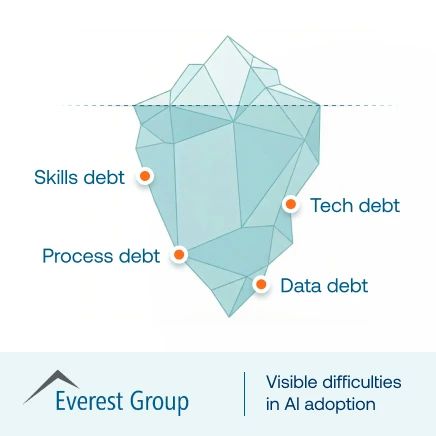



In an era of complex software, a well-crafted user guide simplifies technology by enabling end-users with contextual guidance.
Whether a comprehensive software manual, guided in-app experiences, or an online FAQ page, a user guide is an invaluable resource, bridging the gap between users and technology.
In this comprehensive guide, we’ll take you through the art of creating compelling user guides that drive adoption and support end users. Whether you’re experienced at creating technical documentation or need to create your first user guide, this article offers insights that can elevate your user guide creation process.
What Is a User Guide?
User guides are a type of technical documentation that enables customers and end-users with step-by-step instructions on how to execute a task or process. An example of when you’ll encounter a user guide is when you purchase a new physical product (like a piece of furniture) or a digital product or software.
Digital tools are inherently more complicated for new users. Software user guides come in many formats, from PDFs, video tutorials, help guides, and interactive in-app guidance. User guides ensure technology systems are adopted into day-to-day workflows accurately, helping to drive intended business outcomes.
What Does a User Guide Include?
A user guide is a crash course that sets users up for success. They’re designed with end-users in mind and are helpful, informative documentation that drives product adoption and helps overcome user friction.
User guides may include the following details and information:
- Product introduction: Gives users an overview of what users can expect from a guide, like what the product is intended for or a summary of topics covered in the guide.
- Installation and set up: Provides a quick reference guide with step-by-step instructions guiding users through getting a product ready for use, integrating with other products, etc.
- Product features and use cases: Explains the product’s capabilities and how they can be maximized across different groups of users.
- How to operate the product: Describes using a product’s core features or advanced capabilities. Unlike the installation and set-up instructions, this section aims to familiarize users with the product and educate them on day-to-day operations.
- Troubleshooting tips: Teaches users how to solve everyday challenges or errors that may arise during setup, installation, or regular use.
- Frequently asked questions (FAQs): FAQ pages cover all common questions that a user may run into when familiarizing themselves with the product.
- Glossary: Lists down all jargon or technical terms mentioned in the guide that users may not know or understand immediately.
Although this may look like a lot of information to digest, businesses today can deliver this content in engaging formats beyond dense documents or lengthy tutorials.
Benefits of User Guides
Whatfix’s digital adoption survey discovered that 84% of respondents didn’t know how to use many of the core features and processes across their technology stack.
User guides have an obvious purpose of filling knowledge gaps and providing a comprehensive overview of a product.
In the world of software, the digital skills gap can easily widen if users are bogged down with a variety of tools that they don’t know how to maximize or integrate into their everyday workflows.
But beyond filling in gaps, user guides help businesses grow by making sure that resources spent don’t go to waste.
Here are some benefits you can expect to see by doubling down on clear and compelling user guides:
1. Faster time-to-value and higher rates of adoption
User guides shorten time-to-value for new customers and users, which enables them to adopt new processes into their workflows quickly. This allows new customers to achieve business outcomes faster with your new product – driving user adoption.
Beyond introducing the basic operations of a product, user guides help businesses dive deeper into advanced functionalities, buried features, or special offers that users may not find themselves.
These additional elements can help build brand loyalty, increase customer satisfaction, or surface capabilities that make a product indispensable to a user.
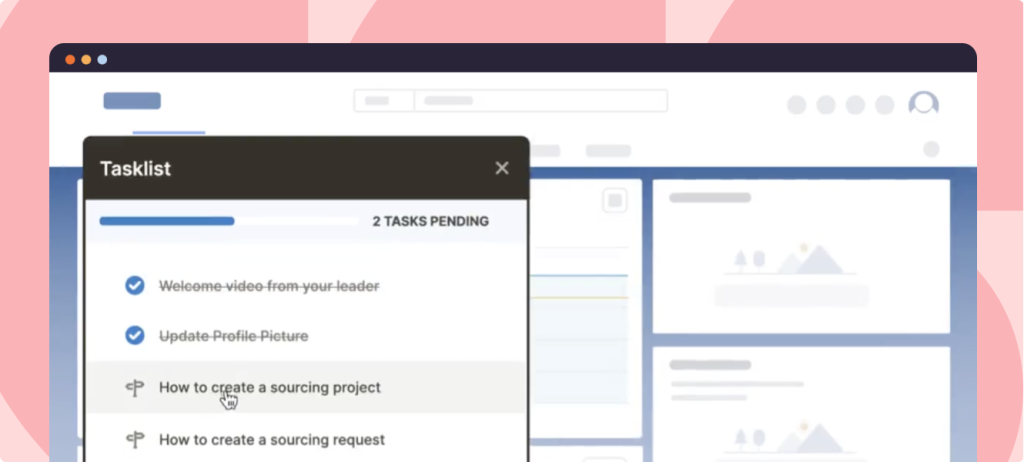
“Whatfix is the ideal way for Marketboomer to communicate training to customers. We can easily target use case types and countries, pushing relevant, personalized content to customers. We particularly like task lists, which create roadmaps to progress our PurchasePlus experts and monitor efficiency in real time. Contextual walkthroughs and relevant smart tips personalize the learning processes and provide 24/7 provider self-support,” said Drew Nixon, Head of Customer Success at MarketBoomer
2. Self-service support that deflects support tickets
In a survey on digital customer experiences, 95% of companies said they saw a dramatic increase in customers wanting self-service support channels.
This shift in consumer behavior stems from a desire for faster service that users can depend on when they need it most. With user guides, businesses can deliver content that helps customers answer basic how-to questions and conduct simple troubleshooting without depending on any external help. This self-help support not only enables a better customer experience but empowers customer service teams to deflect support tickets through self-service solutions.
3. More empowered users
Have you ever given up on doing something because you were frustrated about not knowing how to do it right?
User guides help businesses avoid attrition by enabling customers with the tools they need to become proficient, with minimal friction or external intervention.
You want to empower your users with enough information to feel confident exploring your product and pushing the boundaries of what they can do with it. In-app user guides do just this, empowering your users with contextual onboarding and support that drives adoption and helps them achieve their intended business outcomes.
6 Types of User Guides
You can equip your products with different types of user guides to engage with customers throughout these different points in their user journey. The most common types of user guides include:
1. Instructional manuals
An instructional manual is a comprehensive document that provides a thorough introduction to a product, how individuals can get set up with it, the different types of applications the product has, and tutorials on each of those applications.
Instruction manuals are a good fit for complex software with intricate features and robust data management policies, helping provide product support for systems like ERPs, computer-aided design software, and healthcare information systems.
2. How-to guides
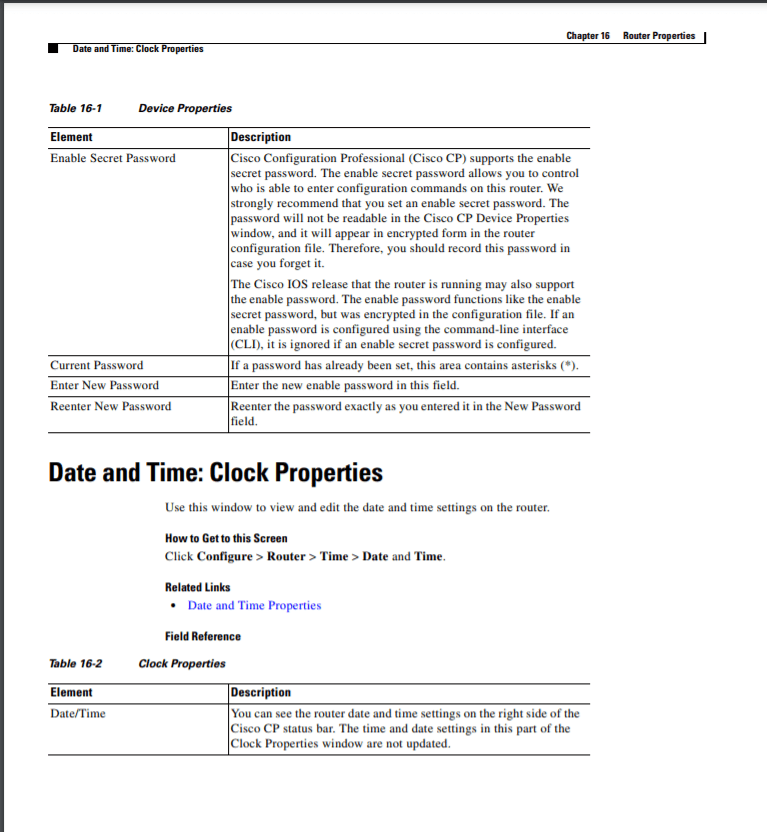
These guides focus specifically on guiding users through tasks that help them utilize a product. How-to guides use concise and clear language to explain instructions to users quickly.
Individuals who use how-to guides tend to be somewhat familiar with the product already and are only looking to solve specific problems efficiently.
Most SaaS platforms provide their end-users with in-app tutorials and user guides that provide contextual, guided experiences that walk users through their processes and workflows. These in-app guides can also be linked to how-to articles in a company’s knowledge base for additional context and support.
3. Training manual
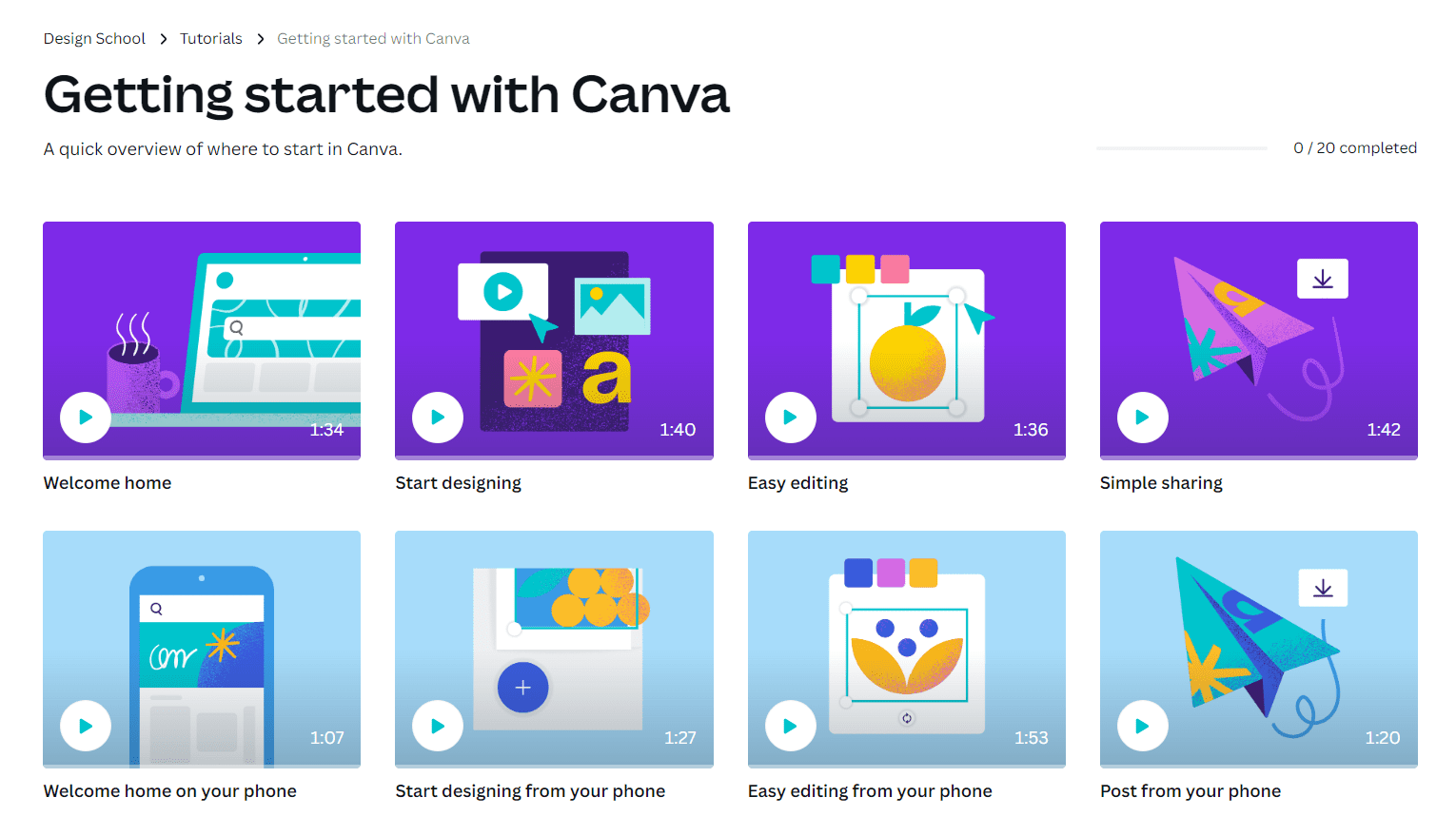
These documents are designed to educate individuals and teams about using a product in real-life scenarios — like using products to solve problems, leveraging internal and external communication, or learning when exactly a product should be roped in to make processes run smoother. Training manuals are incorporated into training workshops, onboarding packets, employee orientation, and learning and development initiatives.
4. In-app guidance
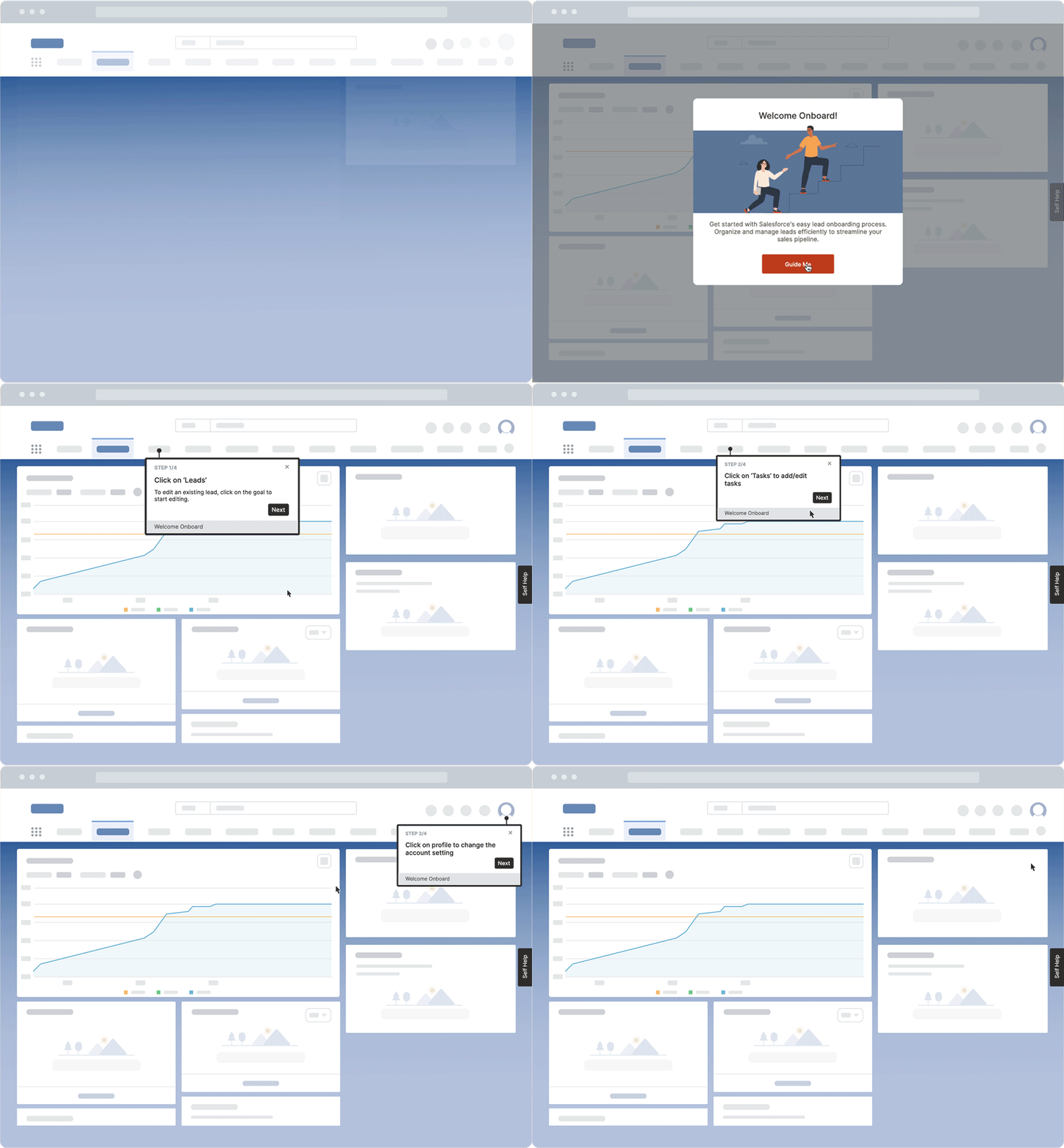
In-app guided tutorials are built into a product experience to provide contextual user onboarding and create intuitive product experiences.
In-app guidance includes product tours, interactive walkthroughs, task lists, tooltips, pop-up windows, and more – all that guide users through sequencing events, detailed workflows, and user flows.
In-app guidance provides learning at the moment of need for users, and provides context that traditional software documentation lacks. In-app guidance provides a level of support that drives product knowledge and adoption.
Product managers and non-technical team members can create in-app user guides and help elements with a digital adoption platform (DAP). A DAP like Whatfix provides these team members with a no-code editor to create, launch, and analyze in-app guided experiences.
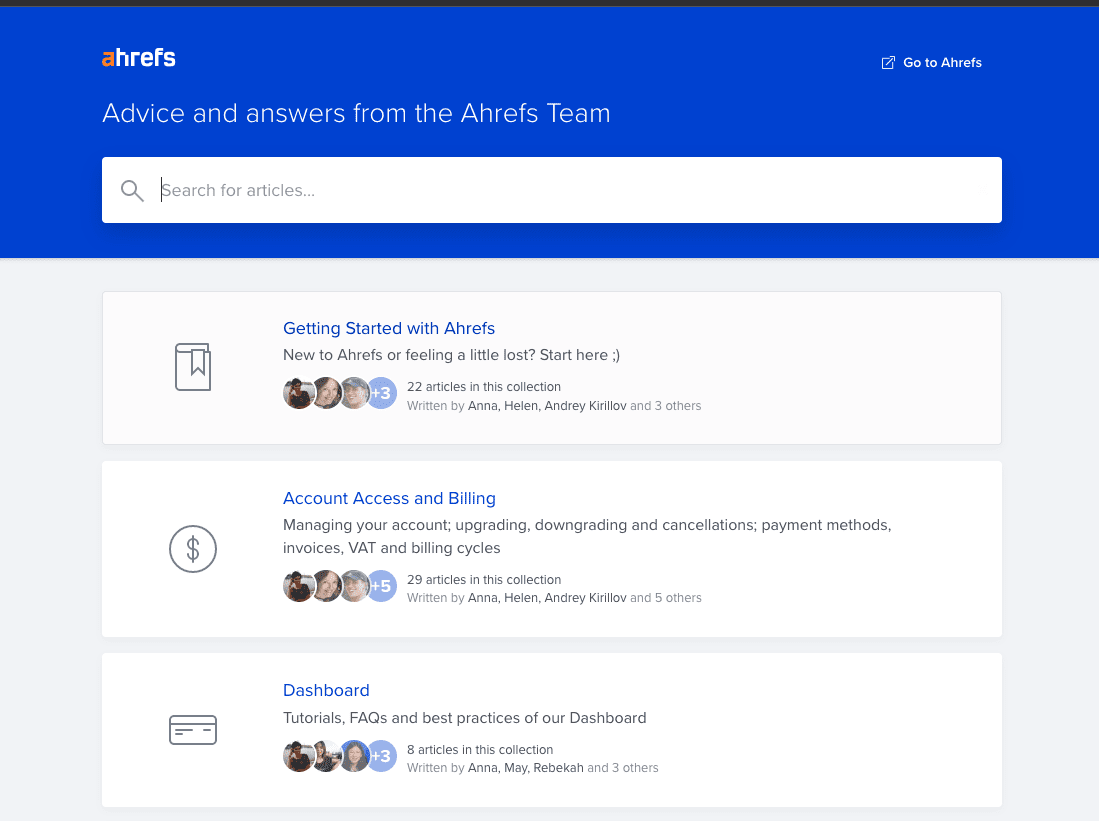
5. Knowledge base
A knowledge base is a centralized hub that contains all types of educational content, from training manuals to product guides, support articles, and how-to articles.
Knowledge bases are also designed to support self-service learning, giving users a single repository to answer common questions, troubleshoot errors, or deepen their understanding of a product. Easy navigation and clear content organization are needed to make knowledge bases deliver optimum results.
6. FAQs
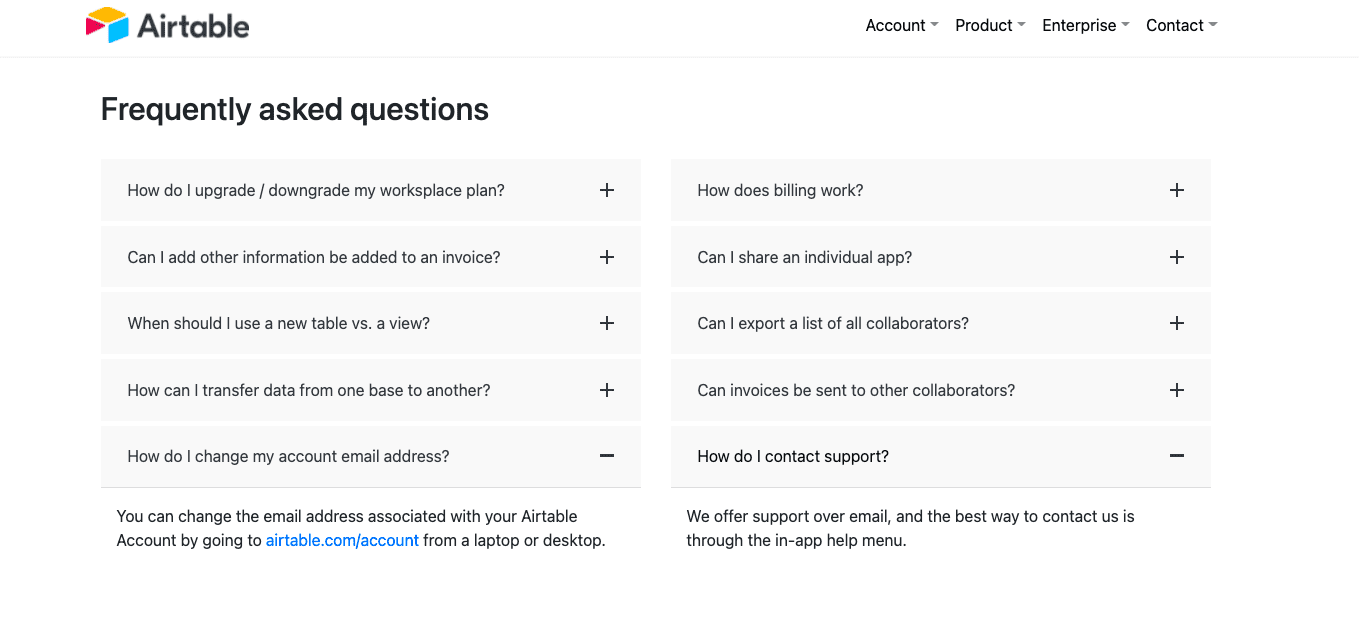
FAQs are common questions users ask about a product. These can include questions about the availability of features, pricing, security, how to communicate with customer support, and more.
Examples of Effective User Guides
Now that we’ve explored different types of user guides, let’s see what they look like in action with these real-life examples:
1. REG creates Salesforce in-app user guidance for its employees
With Whatfix, enterprises can create in-app user guides for their internal employees, contextual for the processes, roles, and workflows of their business.
Let’s look at an example. REG recently implemented Salesforce CRM and Oracle ERP across its enterprise’s 1,200+ person workforce. Salesforce and Oracle’s user guides were basic and non-contextual to the highly-customized implementation built by REG.
To overcome this, REG partnered with Whatfix to create in-app user task lists, step-by-step flows, smart tips, and other in-app guided experiences to provide contextual support for their various end-users using Salesforce and Oracle.
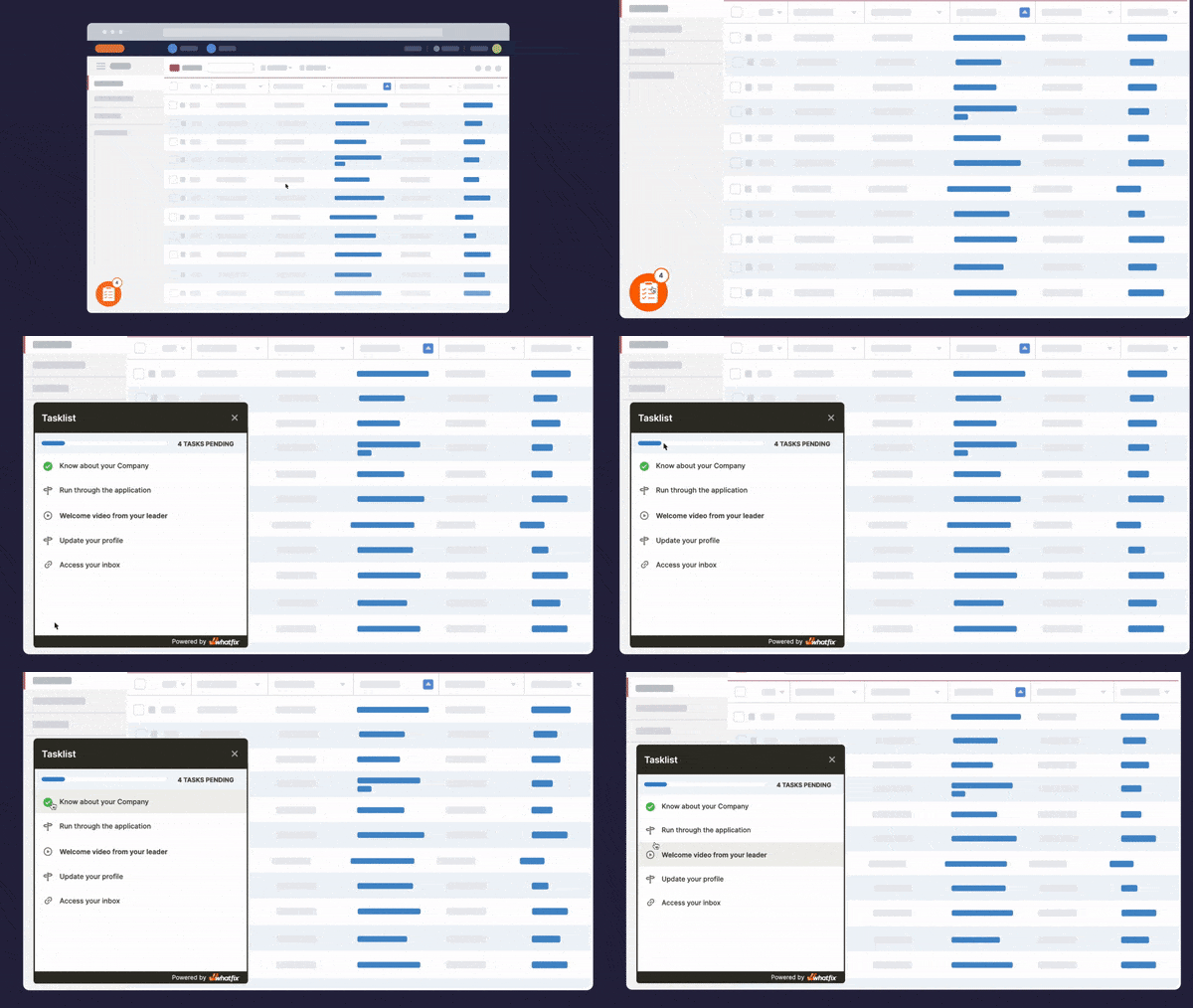
With this in-app guidance, REG could nudge employees to the correct next step in their user journey, reduce time-to-proficiency for new employees, and provide self-help support on common IT-related issues and process questions.
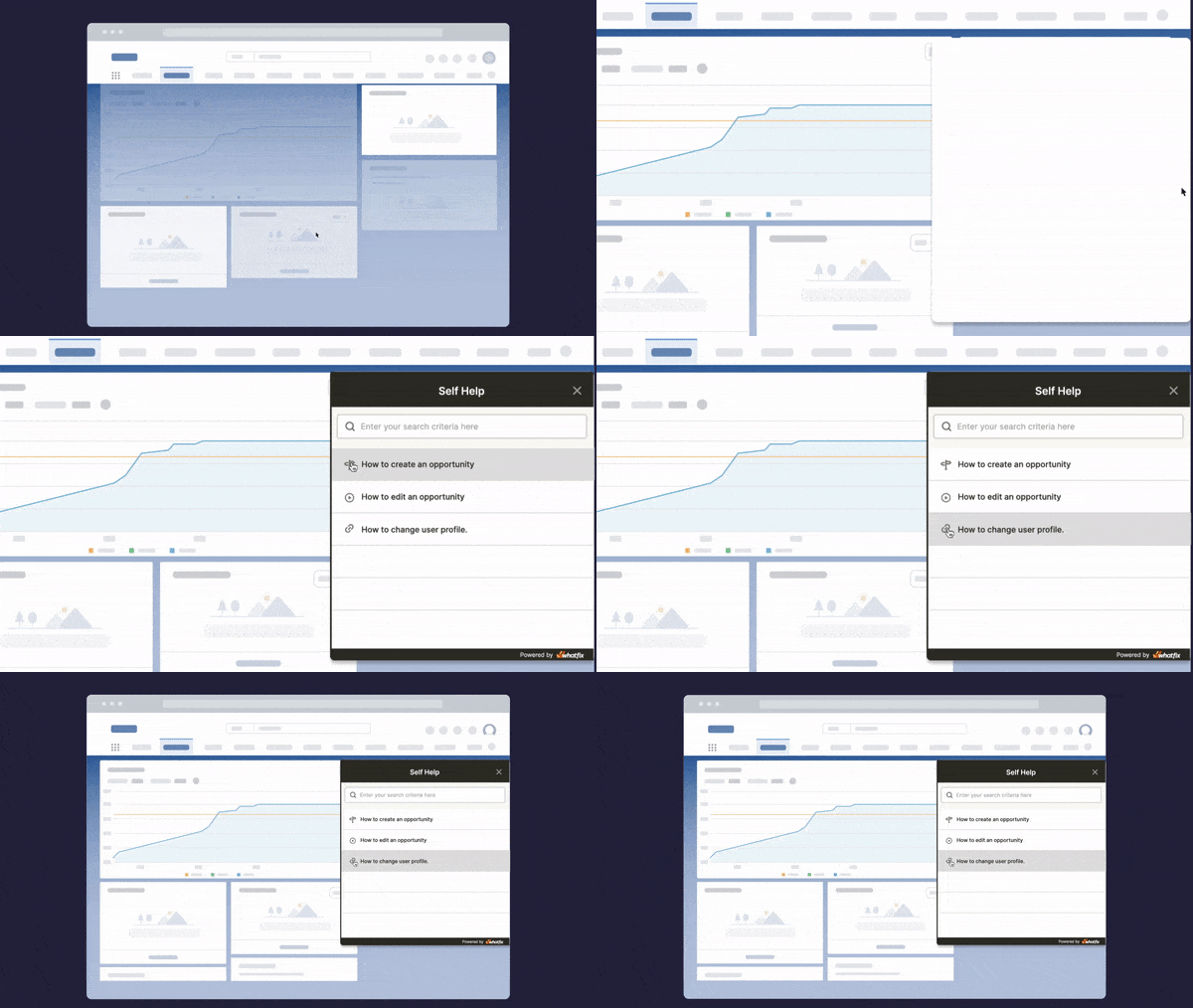
REG also used Whatfix to curate its employee user documentation and guides into an embedded wiki that enabled end-users with a searchable, self-help wiki to find answers to common questions and overcome product workflow friction.
2. Scribe’s LinkedIn Sales Navigator tutorial
In this example from Scribe, a user created guided instruction that details step-by-step how to use LinkedIn’s Sales Navigator to create an account list and filter leads.
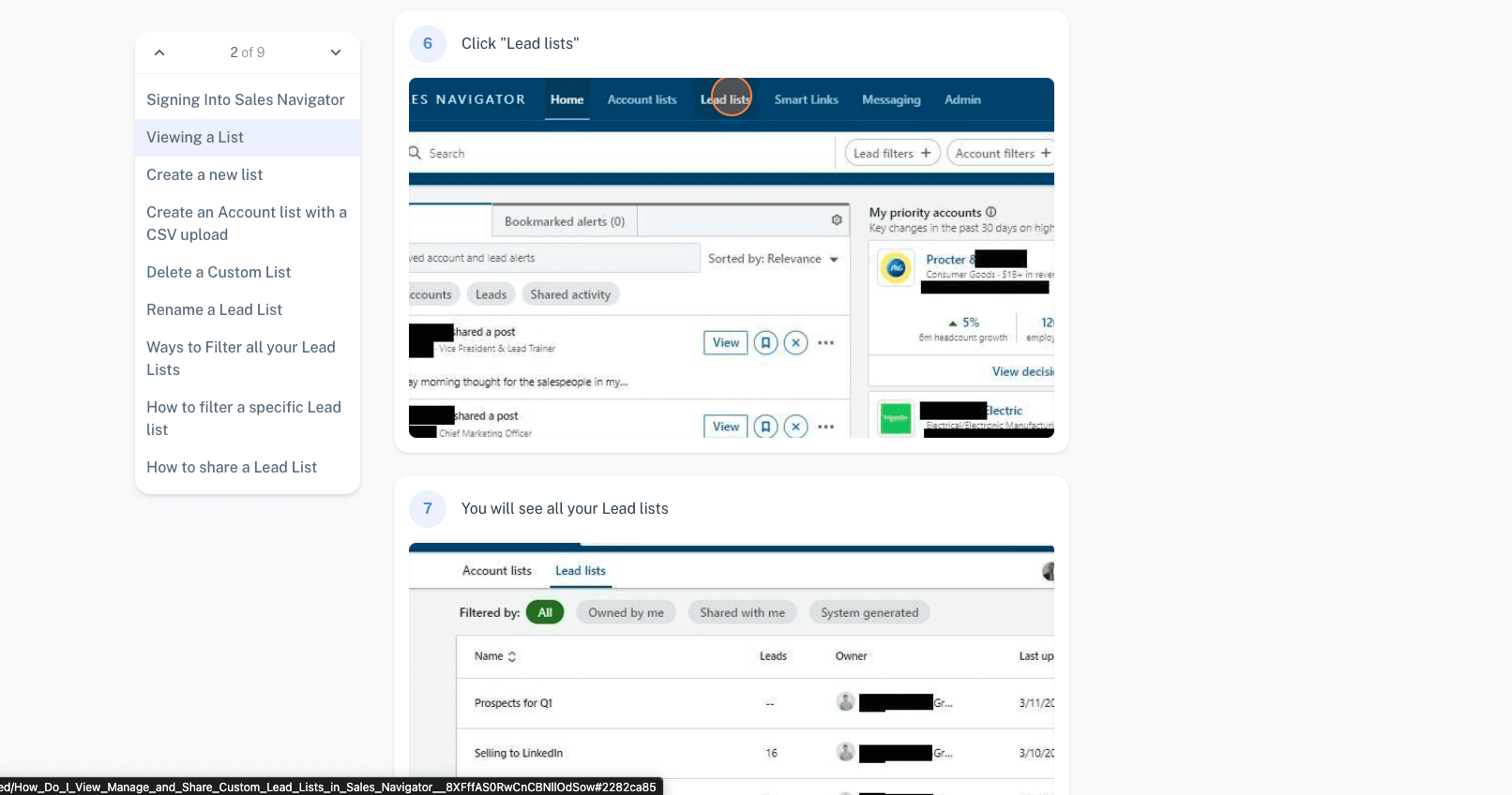
The content in this tutorial is limited to the execution of the specific task itself, without explaining what the software does or what a user needs to get themselves set up with an account. It uses screenshots to give users more accurate context along with a visible mouse cursor to highlight clicks.
3. AbleTo’s interactive user guidance for e-therapists
AbleTo is an online mental health care provider that scaled drastically during COVID-19. This led to challenges in onboarding therapists and coaches to its e-portal.
To overcome this challenge, AbleTo used Whatfix to create in-app user guides for its mental health providers to help onboard them to the system, provide a self-help support system for AbleTo-related product questions, and meet evolving customer demand.
Whatfix empowered AbleTo with a no-code editor to create in-app product tours, tooltips, and a self-help wiki that help its community of therapists grow from 200 to 2,000 rapidly – helping overcome training, onboarding, and support challenges.
In the months following its Whatfix implementation, AbleTo improved its physician onboarding time, reduced provider churn, and grew its network of doctors. It launched in-app smart tips and pop-ups that have been engaged with more than 500k times in the first six months of launch.
4. Marketboomer’s contextual, role-based user guidance
Marketboomer is a SaaS procurement platform for digital transformation in the hospitality industry. It’s used by 2,500 buyers across 12 countries, and needed a solution to create multi-language user guides contextual to different types of end-users and customer types.
With Whatfix, Marketboomer was able to create in-app user guides for multiple types of customers (buyers like hotels and clubs, as well as suppliers like wholesalers), as well as in-app guidance and support for different types of end-users (like CFOs, AEs, or hotel managers). Each required contextual guidance depending on the intended business outcomes, the language preference, and the level of technical expertise.
Marketboomer deployed Whatfix to support customer training in Australia, New Zealand, Vietnam, Singapore, and Europe.
The platform provided interactive guidance within its PurchasePlus product, delivered contextual self-support, and collected in-app feedback – ultimately improving application proficiency with continuous training at the moment of need.
5. Hockeystack’s user guide
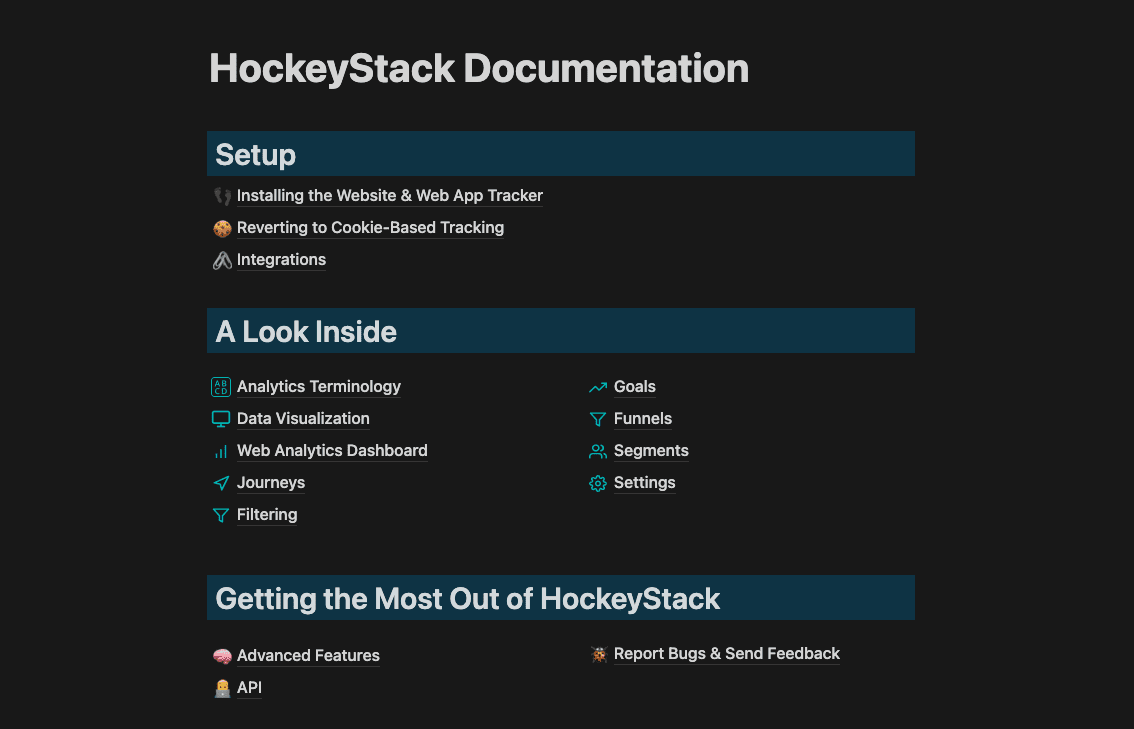
Hocketstack is a SaaS attribution platform to understand the journey your prospects take before converting into a customer.
It uses Notion to create a wiki-style user guide that provides all the information for new customers, as well as customers experiencing product-related issues – from installing the application, attribution terminology, setting up goals and dashboards, and advanced technical-related documentation.
6. PlanetHS enables users with in-app self help
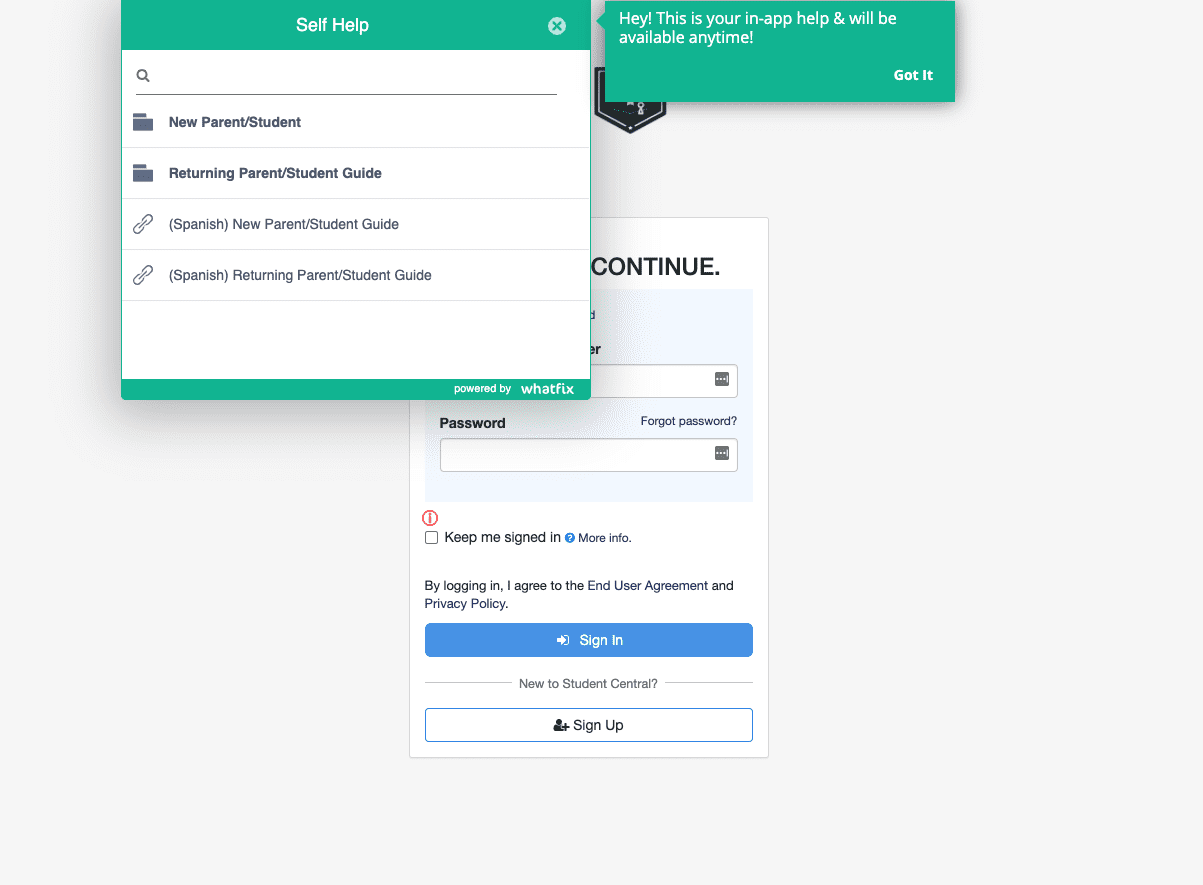
PlanetHS is an athletics management app with 1M+ users including administrators, teachers, parents, and student-athletes.
It provides its users with an embedded self-support wiki on its website, starting with its log-in page, that provides contextual support for new and returning parents and students on how to use its platform.
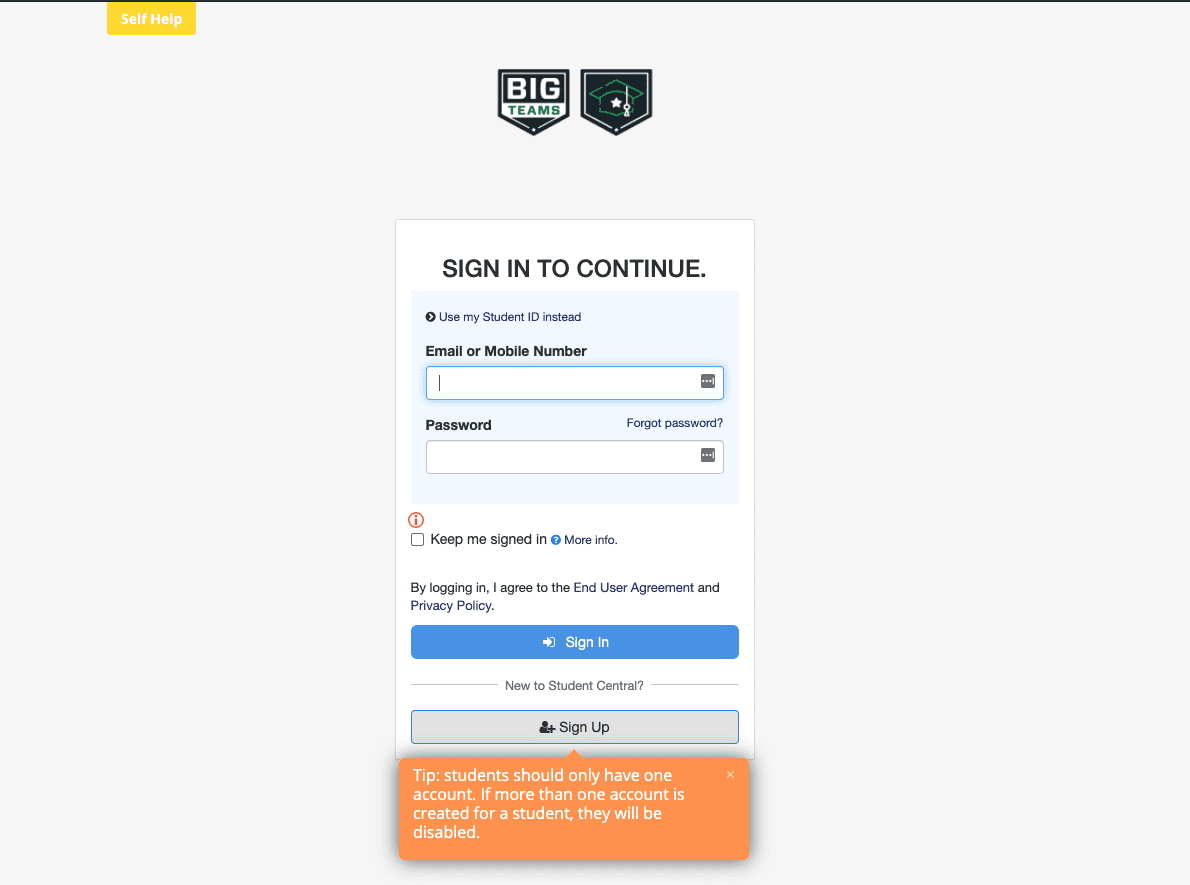
If a user appears to be having trouble (.ie on the page for a long period or begins to click around the page) a popup appears with a tip to discourage existing parents and students from creating duplicate accounts.
After clicking the “sign up” button, new users are taken to a registration page that includes field validation tips to guide all new users to complete their onboarding. This continues with a full product tour of PlanetHS to help new users understand its interface and how to use its core features and workflows.
Best Practices for Creating Great User Guides
To be effective, user guides must be clear, concise, and contextual. Here are the best practices and guidelines to help you create practical user guides:
- Use clear language
- Organize your guides with hierarchy
- Use a mix of images, videos, and GIFs
- Index it on search engines
- Provide in-app guidance
- Create contextual user guidance for different types of users
- Collect analytics and user data on how your guides are being used
- Ask users for feedback.
We explore each more in-depth below:
1. Use clear language
User guides must be accessible to as many users as possible, regardless of their product proficiency levels or industry expertise. Clear copy and short sentences without technical or industry jargon increase readability and comprehension, helping your users solve problems faster and become more confident.
2. Organize your guides with a hierarchy
Information in your user guide should be organized in a way that makes the most sense for readers. Headings, subheadings, paragraphs, and bullet points are your best friend in arranging information in a logical flow or sequence that your users expect. Clearly label different topics and break content up if they’re different for each feature, role, or use case.
3. Use a mix of images, videos, and GIFS
Some processes — especially those conducted on digital platforms — are hard to explain without showing users exactly what they need to look for, whether it’s a button, icon, or text. Screenshots, diagrams, and animated visuals are the best way to show users exactly what you’re talking about. It also makes your guides more visually appealing and easier to digest.
4. Index it on search engines to make it searchable
Search engines like Google process over three billion searches a day, making them the perfect distribution channel for your user guides.
If you’ve published support articles and tutorials on your website or knowledge base, make them searchable on search engines. You can do this by indexing these content pieces and optimizing them with relevant keywords that your users would include in their search query.
5. Provide in-app guidance
With in-app guidance, you can be more strategic with your user guides and proactively nudge customers toward them at the right points in your product journey. Unlike traditional guides, where users have to take the initiative to seek out support, in-app guidance lets organizations use behavioral data to predict user frustration and address it early.
6. Create contextual user guides for different types of users
Your users have different needs, proficiency levels, and measures of success.
For instance, Salesforce training guides within a sales organization could still look completely different depending on the individual’s role, the region they’re in charge of, or their years of experience.
Contextual user guides are personalized to accommodate these differences and create a learning experience that’s the most relevant for a user’s day-to-day use cases and workflows.
7. Collect analytics and user data on how your guides are being used
The success of your user guides is determined by how your users engage with them. The good news is that with the right tools, these interactions can be tracked and analyzed in great detail.
For example, Whatfix’s digital adoption platform helps organizations monitor content engagement rates, clicks, scrolls, and exits, giving teams enough data to pinpoint content most beneficial for users and those that lead to the most dropoffs.
With Whatfix’s product analytics software, teams can also create custom events to track, create user cohorts to help with targeting, monitor user flows, and collect data from users are what types of support issues they’re searching for to help you identify new user guides and help content to create.

8. Ask users for feedback
In addition to qualitative data that helps you recognize patterns faster, you can get quantitative data by gathering feedback from users directly.
User feedback helps you uncover nuanced issues that are easy to miss from a business perspective.
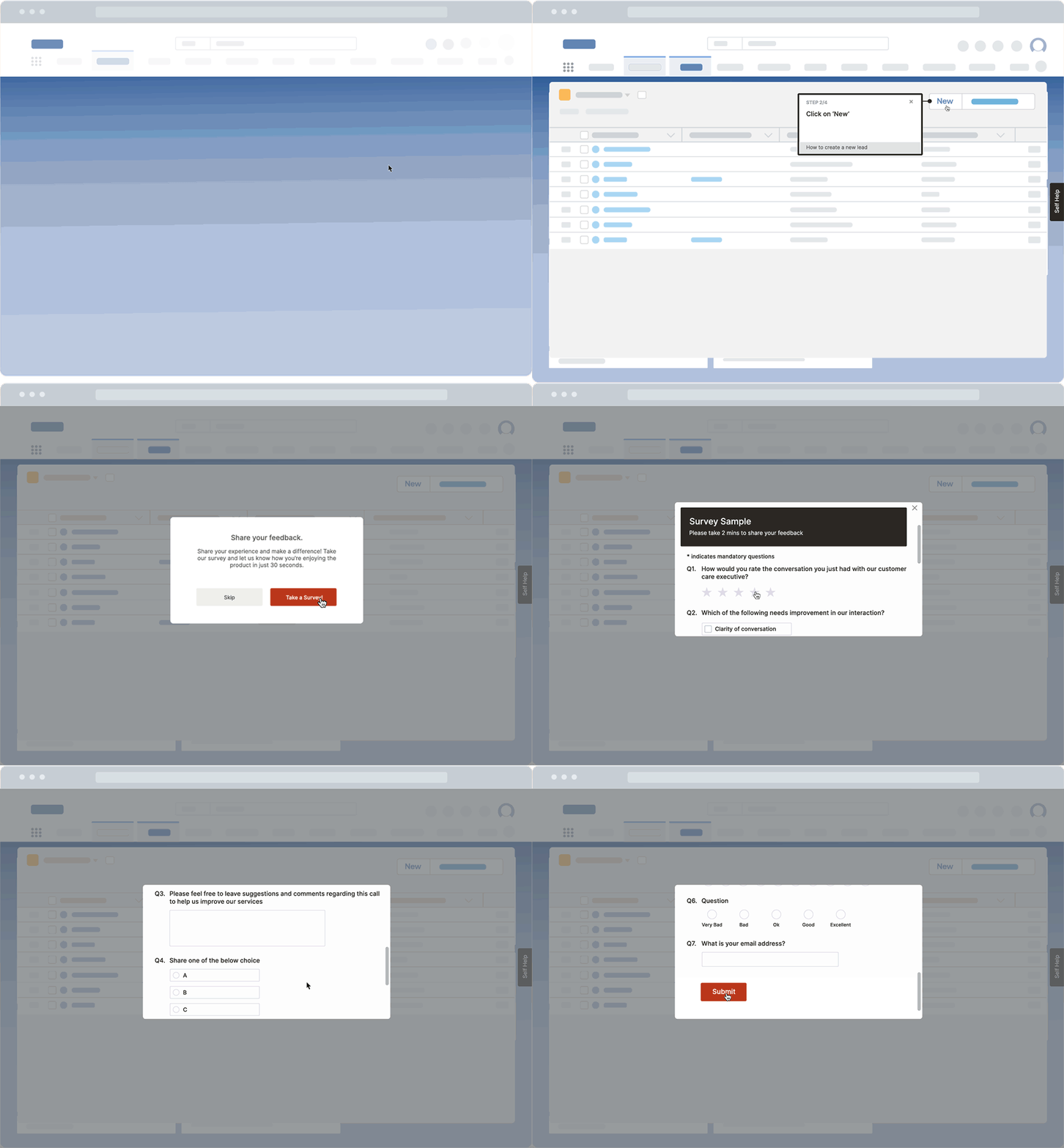
You can collect this information using feedback forms, chatbots, or direct communication with power users or website visitors. With a DAP like Whatfix, products can create in-app native surveys that embed right into their product’s UI.
5 Tools for Creating User Guides
There’s no reason to be intimidated by the idea of creating quality, engaging user guides at scale. With these tools, you can implement modern and intuitive support content without the technical hassle of coding elements from scratch.
1. Whatfix
- G2 Rating: 4.7 out of 5 stars
- Pricing: See pricing now.
- Best for: Creating in-app guided experiences like step-by-step walkthroughs, product-led onboarding experiences, and self-help support.
Whatfix‘s digital adoption platform is a powerful tool for helping organizations drive technology adoption and user engagement with in-app user guides.
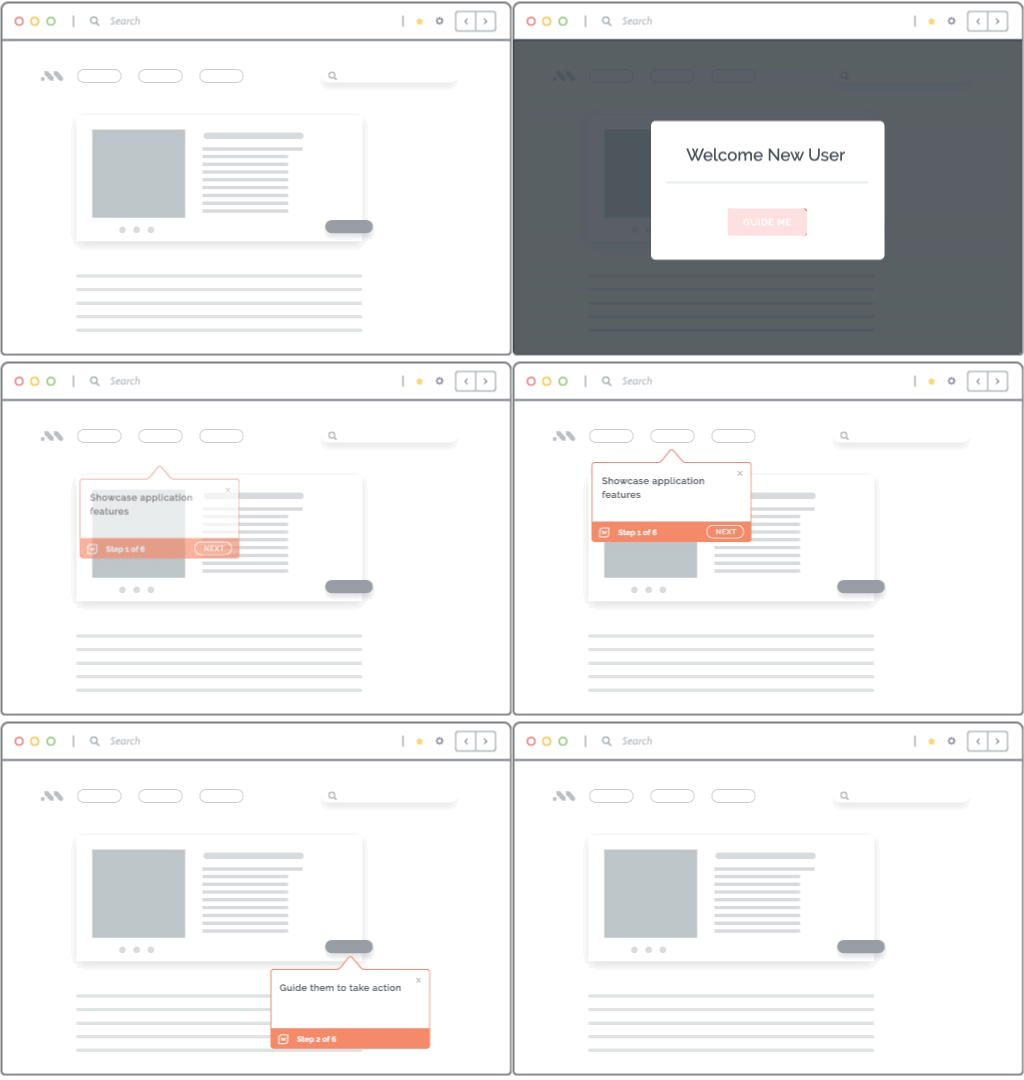
Whatfix provides products with a no-code editor to create and launch on-brand in-app guidance, such as product tours, step-by-step flows, onboarding checklists, tooltips, pop-up windows, field validations, and more.
Whatfix Self Help automatically crawls your product documentation and knowledge repositories to curate a searchable self-help widget that overlays your product’s UI.
Whatfix is unique in that SaaS companies and digital products can use Whatfix to create in-app user guides, interactive experiences, and self-help support for their customers – but organizations can also use Whatfix to create in-app guided experiences for their internally used apps as well (think of sales teams using Whatfix to create in-app guidance on their specific Salesforce instance to drive adoption across its sales team.)
You can easily deploy a range of content formats that best match your user’s needs at a specific point in their product journey — like task lists during onboarding, pop-ups to inform users about new features, beacons to highlight easy-to-miss actions, or tool tips to jog a user’s memory about a functionality.
Whatfix’s analytics also captures user behavior on your website, mobile app, and enterprise software to make data-driven decisions when optimizing your guides to reduce support tickets and build user proficiency with technology platforms.
2. Scribe
- G2 Rating: 4.8 out of 5 stars
- Pricing: Starts at $23 per user/month
- Best for: Creating simple step-by-step walkthroughs, alternative to Loom.
Scribe’s web-based recorder lets teams capture on-screen workflows and automatically turn them into step-by-step guides. In a matter of seconds, you can document long digital processes into visual how-to tutorials complete with still or animated screenshots, concise text instructions, and product tips or reminders. Share your Scribes with team members via URL or embed them into your favorite tools — like project management software, knowledge bases, or communication channels.
3. Notion
- G2 Rating: 4.7 out of 5 stars
- Pricing: Starts at $8 per user/month
- Best for: Hybrid between a knowledge base and in-depth technical knowledge. Think of it as an intranet support center for your product.
Notion provides teams with an editable dashboard that can be turned into a product support center. Notion’s versatile workspace is highly versatile and can be used to create a clean, modern, interactive hub for your user guides.
Beyond text formatting, Notion gives users document-enhancing features like images, videos, embedded documents, AI writing assistants, HTML blocks, and more.
You can also arrange your Notion document into a robust project planner with board, calendar, database, and timeline views that link with other Notion pages to keep information in sync and easy to maintain.
4. Document360
- G2 Rating: 4.7 out of 5 stars
- Pricing: Starts at $149/month per project.
- Best for: Creating a user knowledge base.
Document360 is a knowledge base software that helps businesses design sophisticated customer portals to house all their user guides and product documentation.
You can use its suite of editing tools to create a branded knowledge base website with your website domain, build a searchable knowledge center homepage, and provides advanced search analytics and capabilities. The platform allows content editors to write its user guides with Word-style editing or using markdown for code-centric documents.
5. Adobe Framemaker
- G2 Rating: 4.1 out of 5 stars
- Pricing: $30/month
- Best for: Complicated, in-depth product documentation in PDF format.
Adobe Framemaker to a software documentation tool used to create and public technical documentation and user guides. The tool specializes in creating an environment for long structured or unstructured content, making it a good choice for guides like software specifications, API documentation, assembly instructions, and safety manuals.
Software Clicks Better With Whatfix
Companies use Whatfix’s digital adoption platform to streamline user guides’ creation, distribution, and analysis with no-code tools to create in-app guidance to support end-users in their workflows.
With Whatfix, provide 24/7 support for your users with contextual, hands-on learning that can be personalized across different user segments to boost digital proficiency across the board.
With a no-code content editor, various engaging content formats, and rich analytics features, Whatfix helps you accelerate onboarding and training programs so your users can start creating value with their technology stack.
Ready to get started? Request a Whatfix demo now!